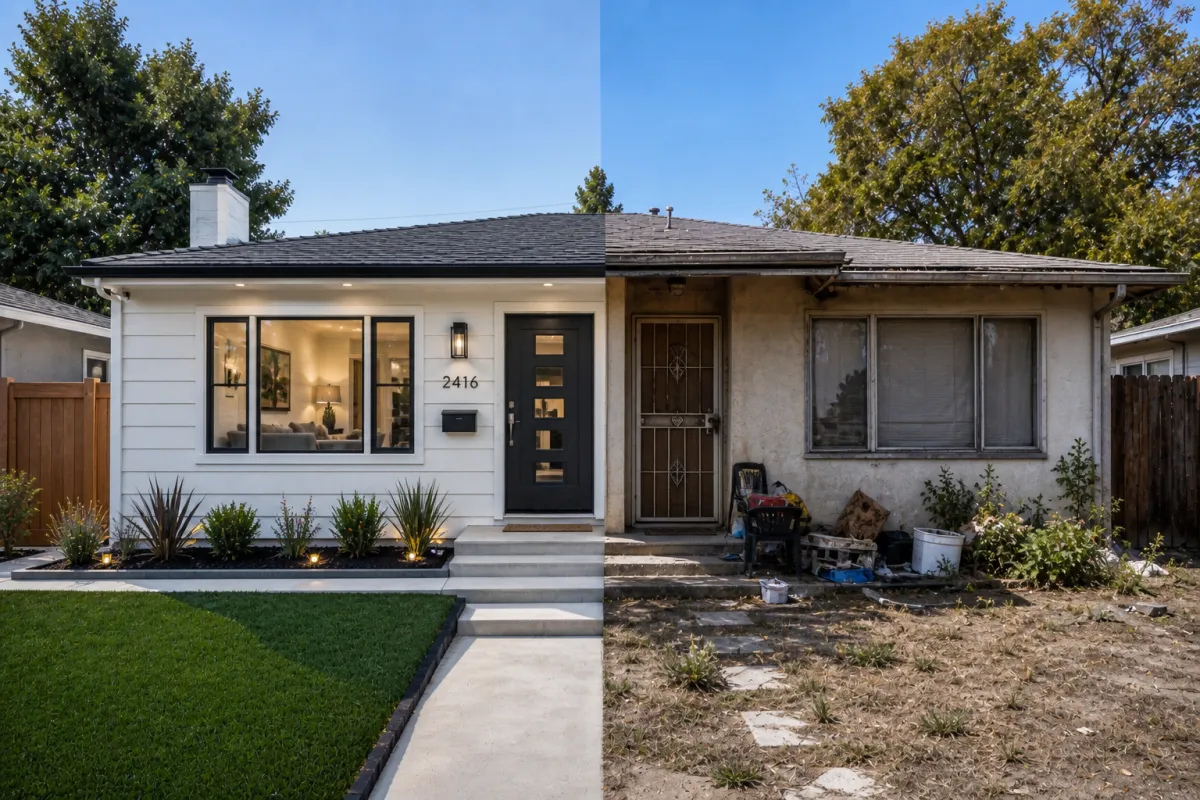
These 10 Remodel Mistakes Quietly Cut $30K Off Every Offer
Most homeowners think buyers only care about location.
And yes, location matters.
But location is not the only thing buyers evaluate when they decide how much to offer. Long before they think about mortgage rates, commute times, or school districts, they are mentally subtracting dollars for every problem, annoyance, outdated feature, and repair they believe they will inherit.
That subtraction happens fast.
Sometimes it happens before they even step out of the car.
Sometimes it happens in the first 30 seconds inside the front door.
And sometimes it costs sellers $15,000 to $30,000 or more without them ever realizing why the offers came in soft.
The good news? Most of these problems are fixable. Many cost less than a nice dinner date. Some take only a weekend.
This guide breaks down 10 remodel mistakes and value-killing features quietly dragging down offers right now, plus the smartest low-cost fixes to protect your equity.
Let’s count them down.
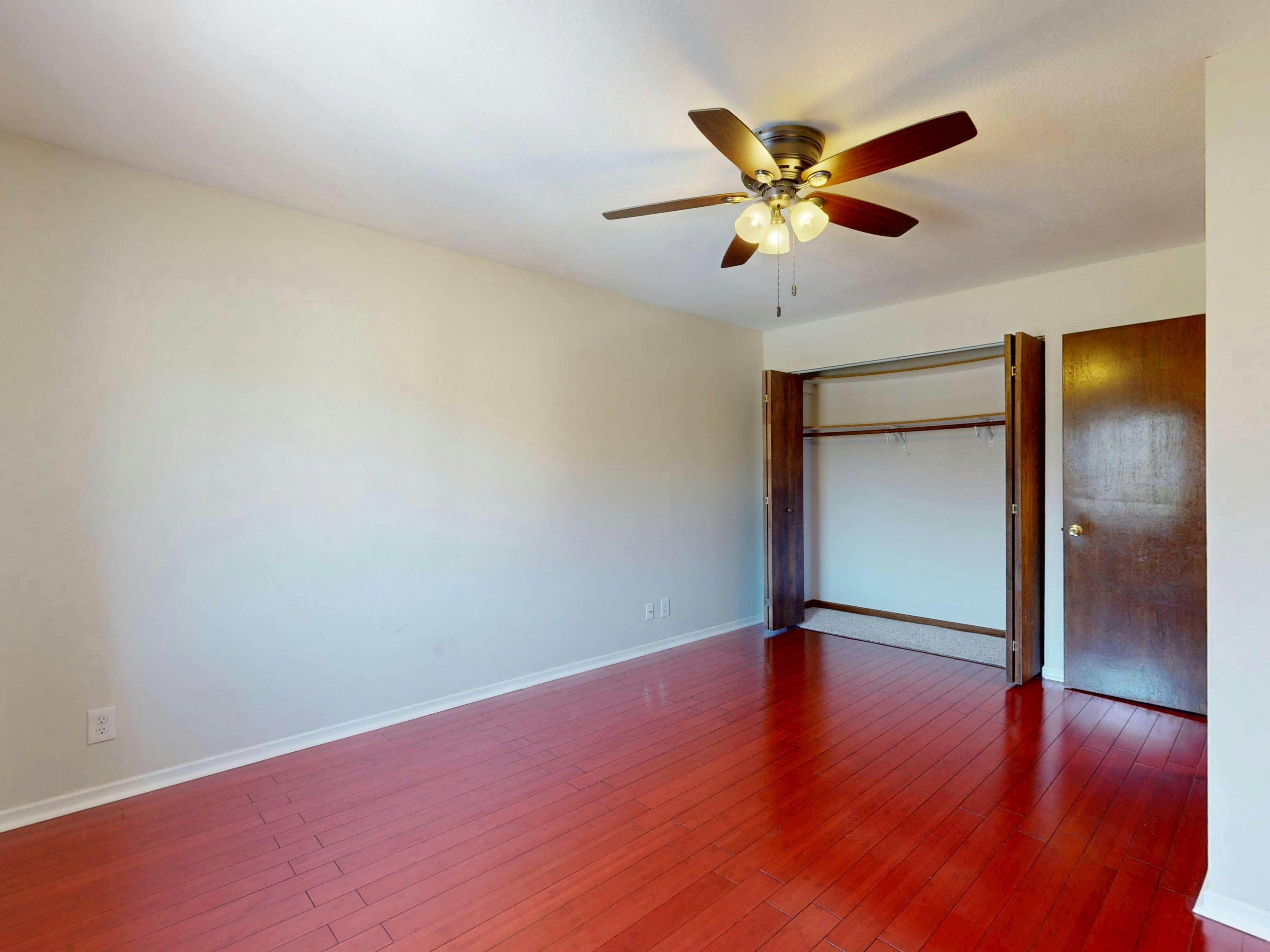
10. Popcorn Ceilings Age Your Home Instantly
Few features time-travel a house faster than popcorn ceilings.
The moment buyers look up and see that texture, your home can feel decades older, even if the kitchen is updated and the floors look great.
It creates an immediate “old house” signal.
That signal matters because buyers associate dated finishes with future projects and future costs.
Smart Fix
If appropriate for your home and local market, removing popcorn texture and applying a smooth skim coat can modernize the entire feel of the house.
Important note: if the home was built in an era where asbestos could be present, use proper testing and licensed professionals before disturbing any material.
Why It Matters
Ceilings are visual background. When the background looks old, the whole house feels older.
9. Outdated Paint Colors Trigger Mental Discounts
Paint is one of the cheapest fixes sellers ignore.
That bold burgundy dining room. The terracotta bedroom. The cool gray trend color from years ago. Even if you personally love it, buyers often see one thing:
Work.
They immediately think about repainting costs, time, hassle, and living through a project after moving in.
Smart Fix
Use broad-appeal neutrals such as:
warm whites
soft greige
beige undertones
light natural neutrals
Why It Matters
Neutral walls create a blank canvas where buyers picture their life, not your design history.
8. Cheap Builder-Grade Light Fixtures Date Every Room
Lighting quietly influences emotion.
Old brass chandeliers, frosted dome fixtures, dated fan-light combos, and mismatched ceiling lights can make a home feel stuck in another decade.
Buyers may not say, “The chandelier killed it.”
But they feel the house is older and less cared for.
Smart Fix
Replace the highest-impact fixtures first:
foyer
dining room
kitchen
primary bedroom
Modern simple fixtures in matte black, brushed nickel, or clean neutral finishes can change the feeling of the home fast.
Why It Matters
Lighting affects how expensive a room feels.
7. Worn Carpet Makes Buyers Lower Offers
No buyer falls in love because carpet is average.
But many buyers reduce offers because carpet looks worn, stained, dated, or ready for replacement.
The moment they think “all this carpet has to go,” they start mentally discounting your price.
Smart Fix
If hardwood may exist underneath, investigate carefully. If not, consider:
professional steam cleaning
replacing only badly damaged sections
pricing realistically if full replacement is needed
Why It Matters
Floors cover a huge percentage of visual space. If floors feel tired, the home feels tired.
6. Mismatched Flooring Makes the Home Feel Smaller
One room has oak. Another has tile. Another has dark laminate. Then hallway vinyl from a different decade.
None may be terrible alone.
Together, they create visual chaos.
That chaos can make the floorplan feel choppy and smaller than it really is.
Smart Fix
Where full replacement is unnecessary, improve transitions:
quality transition strips
consistent tones where possible
remove obviously damaged pieces
unify adjacent rooms strategically
Why It Matters
Visual continuity makes homes feel larger, calmer, and more premium.
MID-ARTICLE CONTENT UPGRADE CTA
Want My FSBO Negotiation Scripts That Earn an Extra 10%?
Get the FSBO Negotiation Power Pack — the exact scripts sellers use when agents or buyers try to crack their confidence.
Learn what to say, when to stay silent, and how to control the deal.
Download here: https://foolprooffsbo.com/checklist
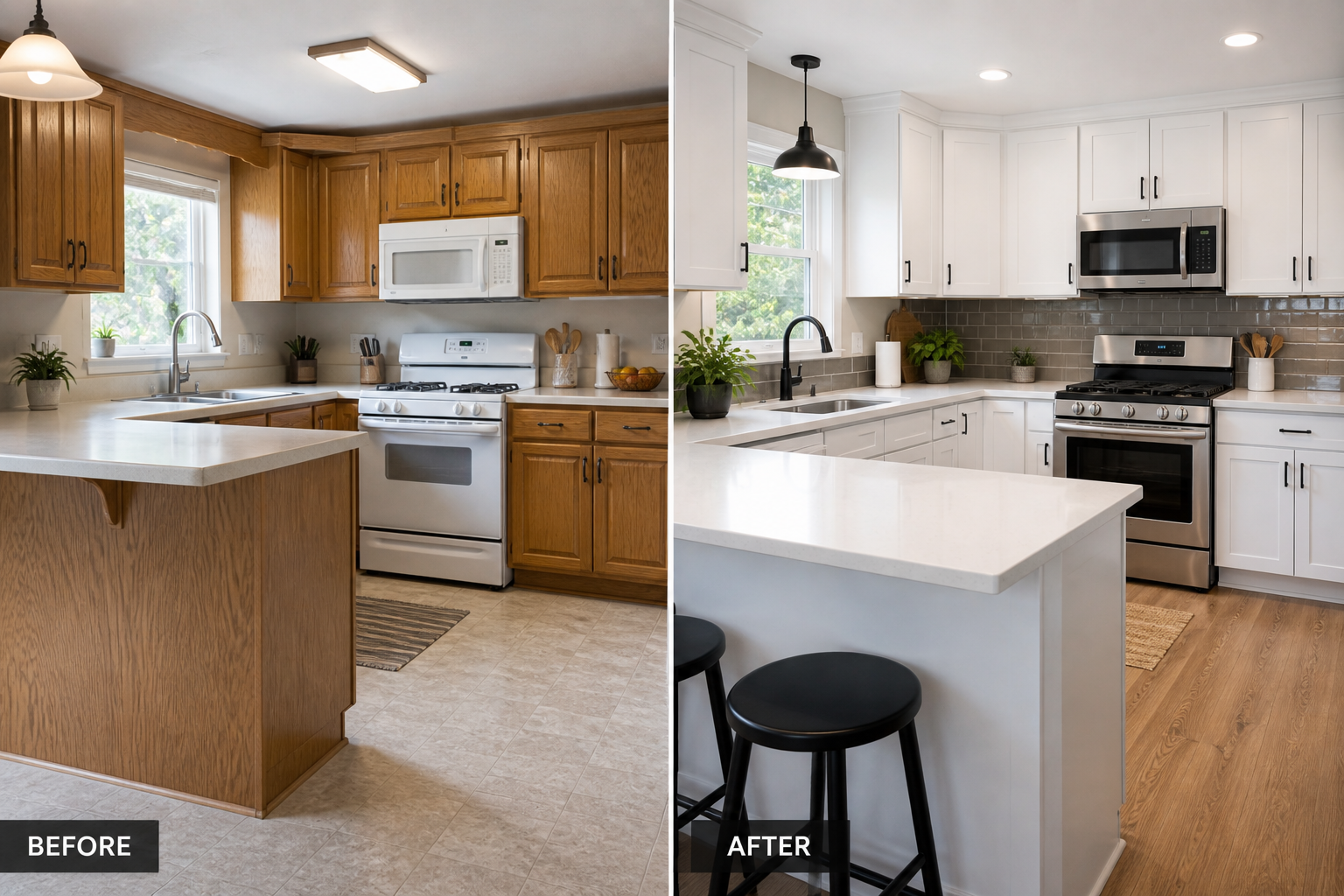
5. Full Kitchen Remodels Often Burn Equity
This one fights seller instinct.
Many homeowners assume they must fully remodel the kitchen before listing.
But expensive pre-sale remodels often return far less than expected.
You can spend tens of thousands chasing a dream kitchen buyers may not value enough to reimburse.
Smart Fix
Use a kitchen facelift instead:
paint/refinish solid cabinets
update hardware
modern faucet
fresh backsplash
declutter counters
improved lighting
deep clean everything
Why It Matters
Buyers reward clean, bright, functional kitchens more often than ultra-expensive custom choices.
4. Full Bathroom Gut Jobs Can Be a Trap
Luxury bathrooms look nice.
But full bathroom renovations before selling frequently underperform because buyers may prefer different finishes, layouts, or styles.
Smart Fix
Focus on visible wins:
recaulk tub/shower
replace dated mirror
new faucet
updated lighting
white towels
spotless grout
fresh paint
Why It Matters
Buyers usually want evidence of maintenance more than spa-level luxury.
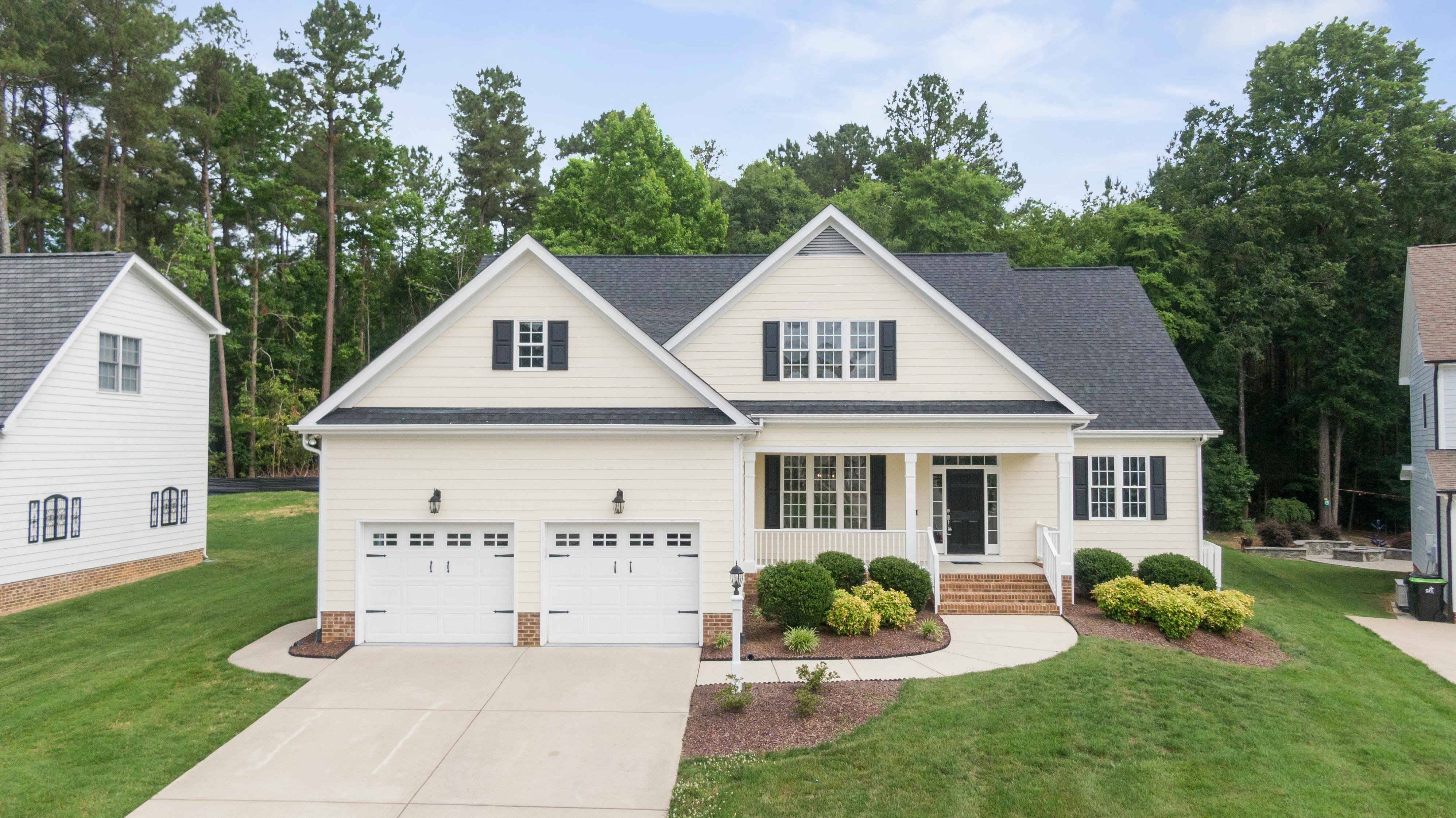
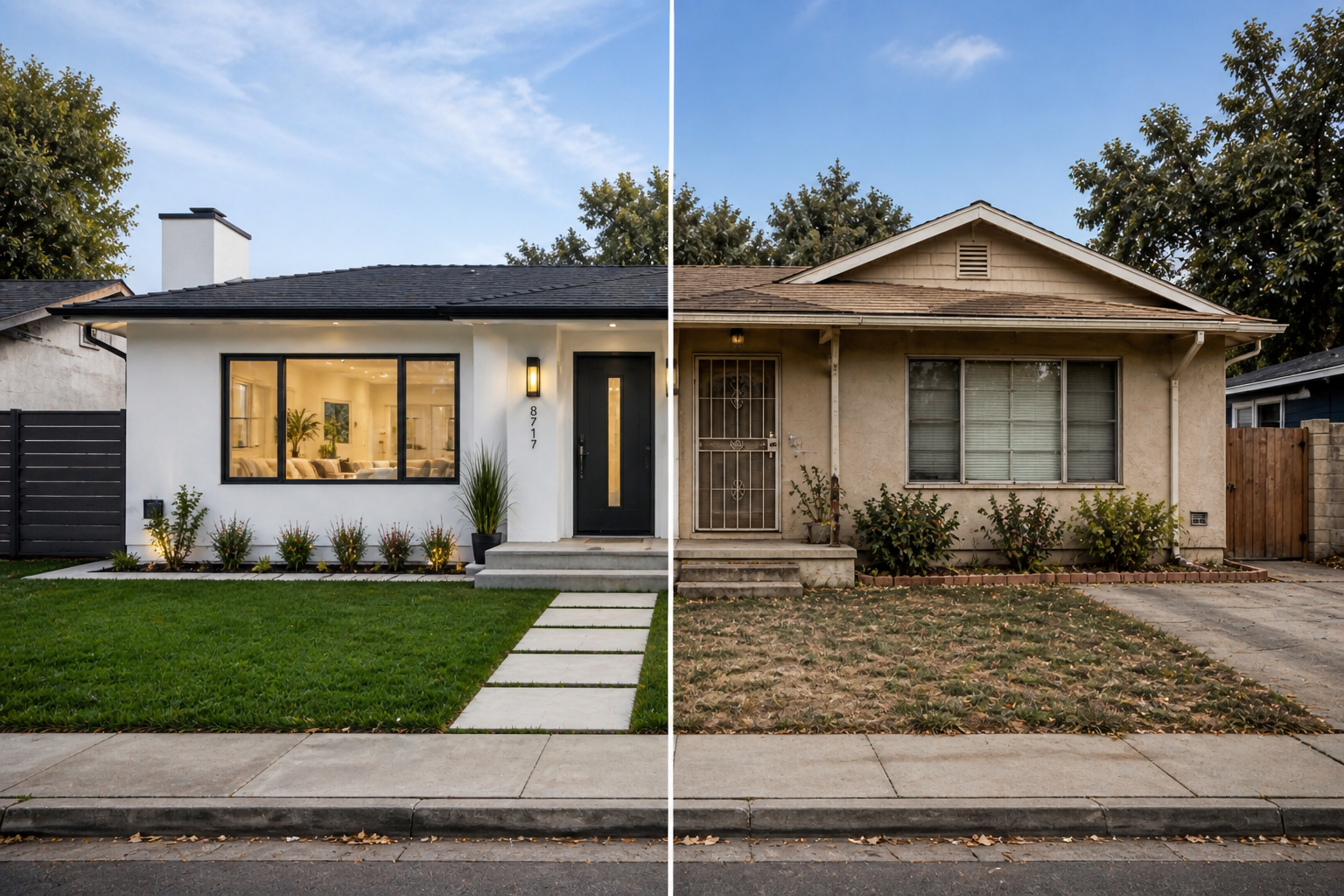
3. Weak Curb Appeal Loses Buyers Before They Exit the Car
Buyers often decide emotionally before entering the house.
That means curb appeal matters more than many sellers realize.
Dirty driveway, tired mulch, faded front door, overgrown landscaping, dead plants, cluttered porch—these signals lower enthusiasm instantly.
Smart Fix
Use a curb appeal reset:
pressure wash driveway/walkway
fresh mulch
trim landscaping
paint front door
replace worn mat
clear clutter
add seasonal plants
Why It Matters
The outside creates the mood buyers carry inside.
2. Converted Garages Remove You from Searches
Many owners convert garages into gyms, offices, dens, bonus rooms, or storage expansions.
But many buyers still want... a garage.
Especially in markets where parking, storage, weather protection, or workshop space matters.
Instead of lowering offers, some buyers simply skip your home entirely.
Smart Fix
If feasible, restore garage functionality or present a clear path for reconversion.
Why It Matters
Sometimes the issue is not price reduction. It is reduced buyer pool.
That can cost even more.
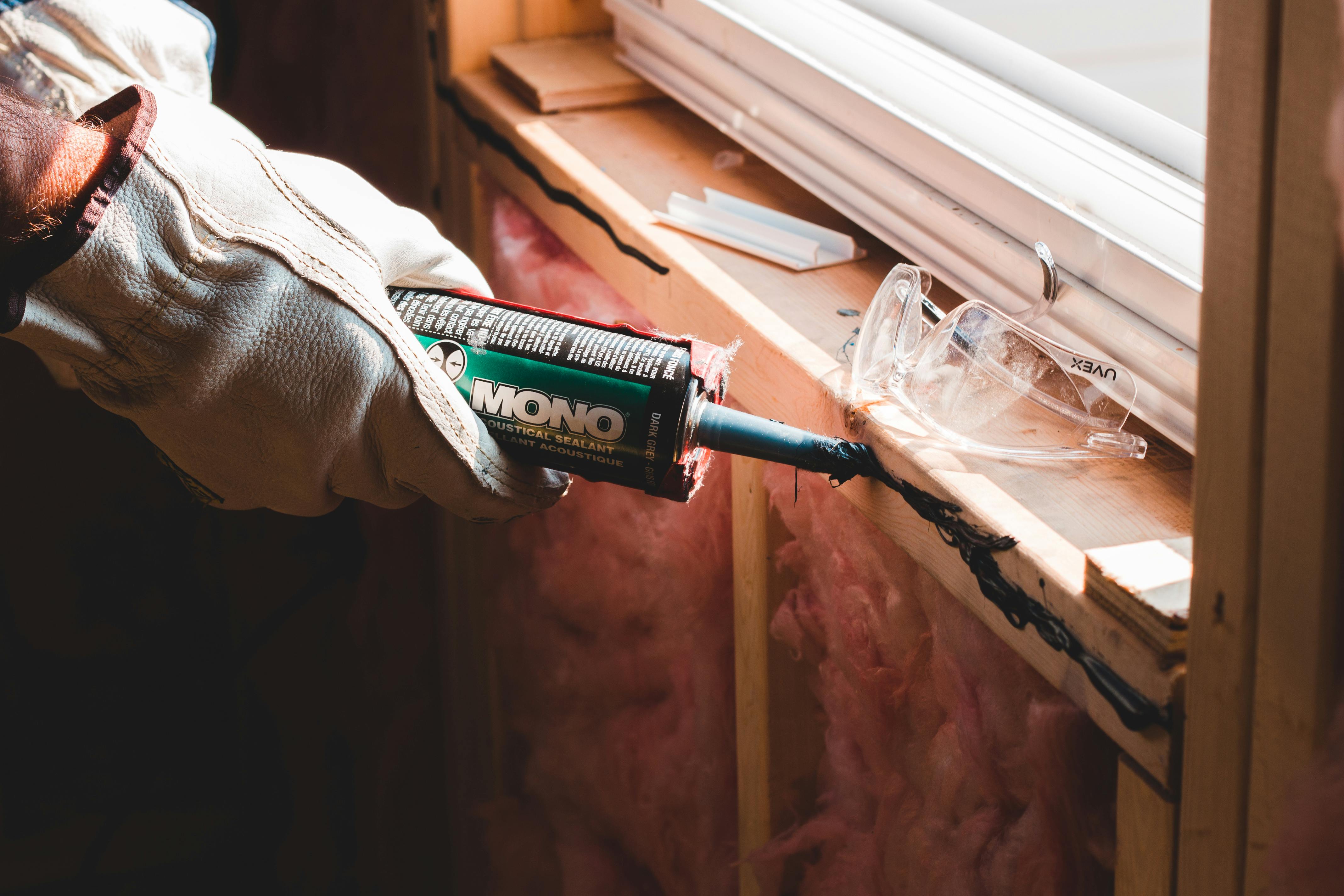
1. Deferred Maintenance Kills Deals After Everything Else Looks Great
This is the hardest one to recover from.
Buyers can forgive dated finishes.
They can repaint walls.
They can change lights.
But deferred maintenance creates fear.
Examples:
peeling caulk
stained ceiling spots
foggy window seals
broken handles
sticking doors
slow drains
missing trim
damaged weather stripping
loose railings
When buyers see ignored basics, they start asking:
What bigger problems were ignored too?
Once that thought appears, every small flaw becomes evidence.
Smart Fix
Do a full pre-listing maintenance sweep.
Fix the small stuff before buyers use it as negotiation ammunition.
Why These Small Issues Cost So Much
Because buyers price uncertainty aggressively.
If they think repairs are coming, they often overestimate costs and under-offer to protect themselves.
A $30 caulk issue can create a $3,000 emotional discount.
A $100 fixture can reinforce a $10,000 outdated-home feeling.
A $200 maintenance fix can prevent a $5,000 negotiation credit.
That is how small issues quietly become big money.
The Smart Pre-Sale Order of Operations
Use this sequence:
Maintenance fixes first
Deep clean second
Paint third
Lighting fourth
Flooring decisions fifth
Kitchen facelift sixth
Bathroom refresh seventh
Curb appeal last
That order protects budget and maximizes visual impact.
What Not to Do
Avoid these common seller mistakes:
massive remodels right before listing
custom finishes buyers may hate
moving walls/plumbing without ROI logic
ignoring maintenance while doing cosmetic upgrades
spending $30K before checking pricing strategy
over-improving beyond neighborhood standards
Final Thought
Most homes do not lose value because of one catastrophic flaw.
They lose value through ten smaller signals buyers quietly penalize.
That is why sellers who fix the right little things often outperform sellers who overspend on the wrong big things.
Protecting equity is usually less glamorous than HGTV.
But it is far more profitable.
The One Mistake Worse Than All 10 Combined
Even every fix on this list can be wasted if you price the home wrong on day one.
That mistake can cost more than all ten combined.


