
10 Repairs That Waste Money When Selling Your Home: 2026 Guide

There are a lot of creative ways to destroy $20,000.
You can set it on fire in slow motion. You can flush it down the toilet. If you’ve got a septic system, maybe do that one bill at a time unless you want your backyard to become a federally protected wetland.
Or you can do what a lot of sellers do every single year:
You can pour that money into repairs and remodels that feel productive, feel responsible, and feel like they should raise your sale price… only to find out later that you spent real cash solving problems buyers either do not care about or were going to change anyway.
That is one of the easiest traps in real estate.
You walk around your house, notice every flaw, and start thinking like a homeowner instead of a seller. You see old cabinets, aging carpet, a cracked driveway, or a dated front door, and your brain immediately jumps to the same conclusion:
“If I just fix this, I can ask for more.”
Sometimes that is true.
But a lot of the time, it is not.
In this market, pretty upgrades alone do not sell houses. Smart pricing does. Clean presentation does. Strong marketing does. Buyer psychology does. And if you spend a dollar on the wrong repair, you may only get 60 to 80 cents back in buyer value, if that.
That is what I mean when I say most repairs are negative equity events. It is a fancy phrase for a stupid outcome: you spend money to make less money.
The smartest sellers do not fix everything.
They fix the right things.
They repair safety hazards. They handle issues that kill financing or scare buyers. They improve what creates confidence. But they do not turn the pre-sale period into an HGTV fever dream where every room becomes an excuse to spend thousands for a buyer who is going to repaint, rip out, replace, or ignore half of it anyway.
That is how you keep more of your equity.
So today, I want to walk you through 10 repairs that waste money when selling your home in 2026. These are the updates sellers panic over, overspend on, and often regret. I’ll also show you the smarter move in each case, because the goal here is not to leave your house neglected. The goal is to stop burning money on ego projects that do not move the needle.
Let’s start with the biggest wealth destroyer of them all.
1. Major Kitchen Remodels
This is the classic trap.
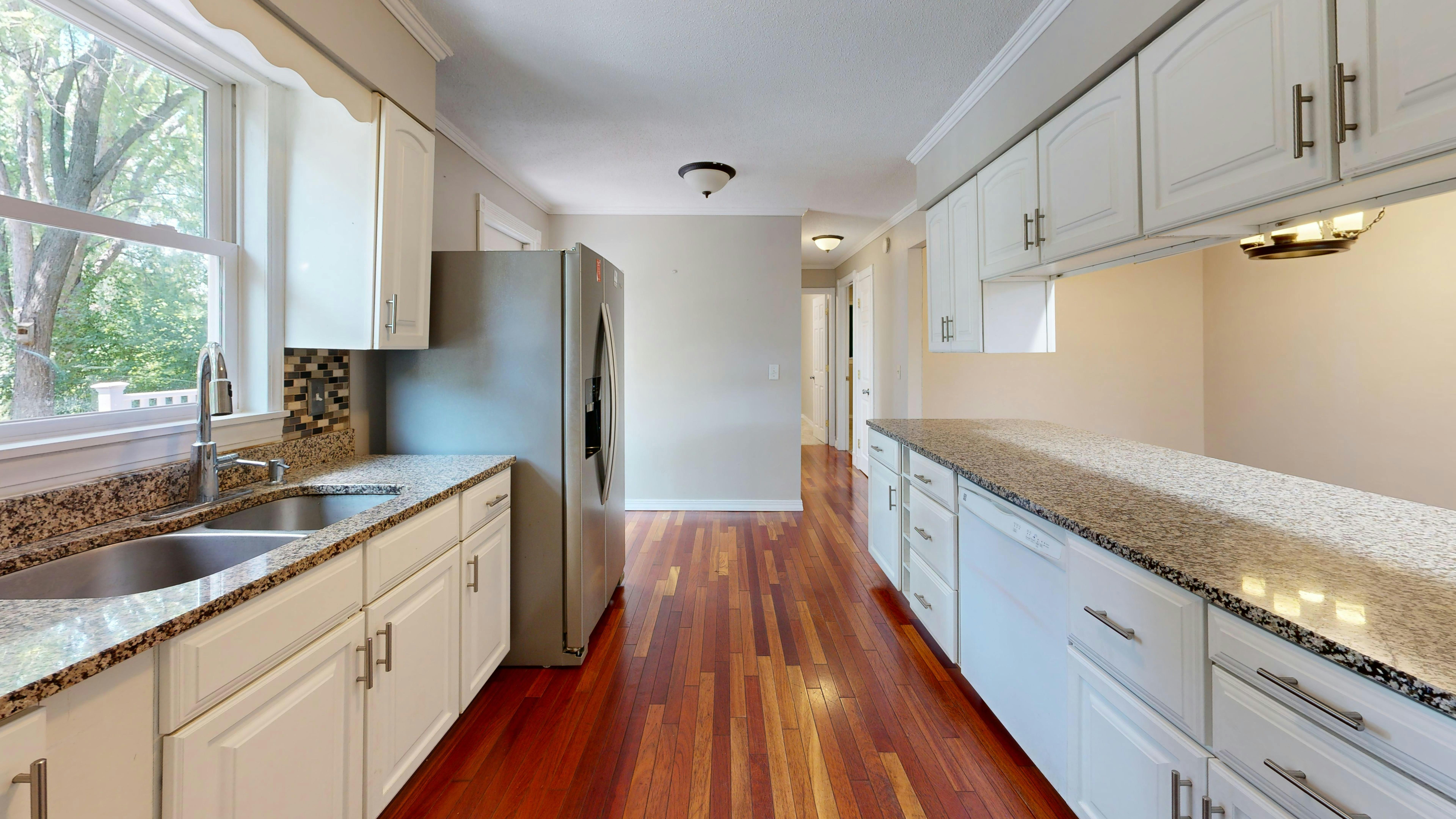
You spend $30,000, $40,000, maybe $50,000 chasing the fantasy kitchen. New cabinets. New counters. New backsplash. New sink. New fixtures. New lighting. New everything. It feels like progress. It feels high-end. It feels like the sort of thing buyers are supposed to love.
And sometimes they do.
But the problem is they usually do not love it at the same level you paid for it.
That is because kitchens are deeply personal. Your taste is not universal. You may choose warm tones and decorative tile because it looked perfect in a showroom. The buyer may walk in wanting matte black hardware, slab fronts, and whatever design trend currently has people pretending they’ve always loved minimal Scandinavian farmhouse industrial something.
Now your $50,000 remodel is just a very expensive version of the wrong style.
That is the core issue.
A major kitchen remodel before selling almost never returns what sellers hope it will. Buyers may appreciate that the kitchen looks updated, but they are not reimbursing you dollar for dollar for your preferences, your labor, or your emotional attachment to the project. They are buying a house, not your renovation diary.
The smarter move is almost always cosmetic:
Paint the cabinets
Replace dated hardware
Deep clean the grout
Swap a tired light fixture
Declutter the counters
Make it look bright, functional, and clean
That is what buyers respond to.
A clean, fresh, neutral kitchen sells. An expensive kitchen remodel done right before listing often just enriches contractors and leaves you with less cash at closing.
2. Half-Baked DIY Repairs
I call this the iceberg effect.
When buyers see a bad repair, they immediately start wondering how bad the hidden stuff must be.
That is what makes sloppy DIY so dangerous.
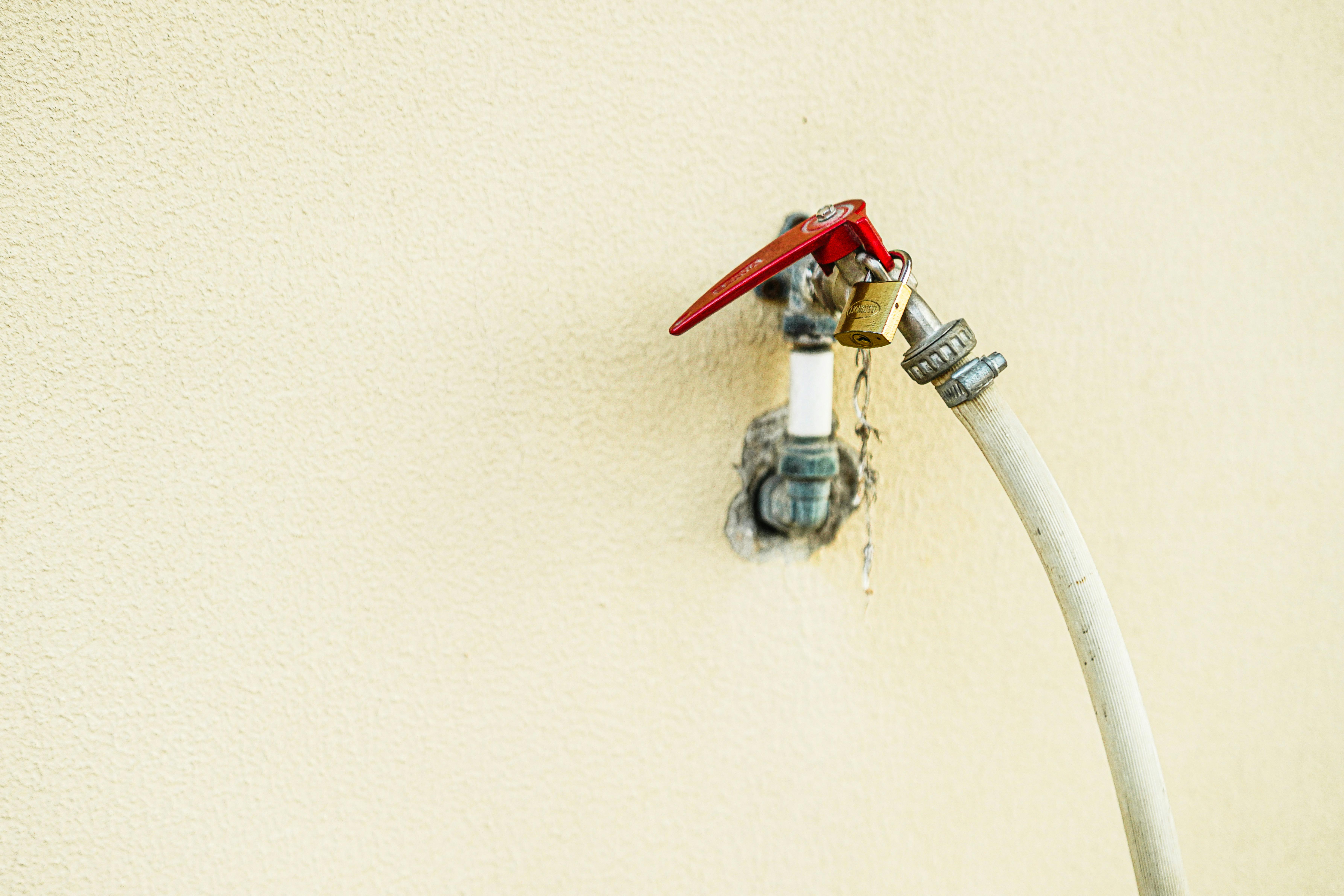
A crooked faucet. A badly patched drywall seam. Paint all over the outlet plates. A cabinet door rehung like it lost a fight. Uneven trim caulked into submission. Tile work that looks like it was installed during an earthquake. These things do not signal savings. They signal chaos.
And chaos makes buyers nervous.
If the visible work looks amateurish, buyers start asking themselves the exact question you do not want them asking:
“If this is what I can see, what’s lurking behind the walls?”
That is the iceberg.
The visible mistake suggests invisible danger. Suddenly your bad patch job is not just an ugly patch job. It becomes evidence of possible plumbing problems, wiring shortcuts, leaks, structural weirdness, or general owner neglect.
That is a brutal price to pay for trying to save a few bucks.
If you cannot do something to professional standards, leave it alone or hire someone who can. A dated feature that works is often better than a freshly mangled “upgrade” that screams incompetence.
Buyers will forgive old.
They do not forgive sketchy.
3. Replacing Flooring Buyers Were Going to Change Anyway
Unless your carpet looks like it should be entered into evidence, do not rush out and replace all the flooring before selling.
This is one of the easiest places to overspend because flooring feels like such a visible issue. Sellers look at worn carpet or dated material and assume it must be fixed immediately.
Sometimes it does.
But often it does not.
Here is the problem: flooring is expensive, and buyers are incredibly opinionated about it. So you can spend thousands replacing carpet or installing something “safe,” only to have the next owner rip it all out because they wanted a different style, color, width, material, or finish.
That means you paid retail for a product that may go straight into a landfill.
That is not strategy. That is charity for waste management.
The better move is usually one of these:
Professional carpet cleaning
Pulling damaged carpet to expose hardwood underneath
Minor touch-up on existing hard surfaces
Making the floors look clean, cared for, and honest
If there is decent hardwood under ugly carpet, that can actually be an advantage. Buyers tend to respond far better to worn real wood than mediocre replacement carpet.
Hardwood says opportunity.
New budget carpet often says, “I covered something and spent money doing it.”
Do not automatically replace. First ask whether clean and functional is enough. A lot of the time, it is.

4. Full Roof Replacement Before Listing
Roofs trigger panic in sellers.
The second they hear “old roof,” they picture buyers running away, inspectors writing horror novels, and closings collapsing in the driveway.
So they do the dramatic thing: they replace the whole roof before listing.
That can be a huge mistake.
If the roof is actively leaking, creating financing problems, or truly at end-of-life in a way that cannot be managed, then yes, it may need real attention.
But if it is simply older, not currently failing, and still serviceable, spending tens of thousands on a brand-new roof right before a sale is often unnecessary.
Why?
Because buyers rarely pay you back at full value for big-ticket replacements. They may appreciate the new roof, but they also may mentally treat it as something that should have been done anyway. That means the gratitude is limited while the cost to you is very real.
The smarter move is often to gather information and use it as a negotiation tool.
Get several written roofing estimates. Know the actual cost. Then when a buyer tries to weaponize fear and guesswork, you can shut that down with real numbers.
That changes the conversation from:
“This roof could cost anything, probably a fortune.”
to
“Here are three vetted estimates. We already know the range. We can handle it intelligently.”
That is how you take drama out of the negotiation without burning money upfront.
5. Tearing Out and Replacing Concrete
Driveways, walkways, and patios are another place sellers lose their minds.
They see cracks and immediately jump to demolition. Suddenly they are pricing out total driveway replacement like the buyer is some Roman emperor who refuses to live near imperfect concrete.
Most buyers do not care that much.
What they care about is this:
Does it look neglected?
Is there a trip hazard?
Does it seem unsafe?
Is it going to create liability?
That is a much smaller problem than “replace the whole thing.”
If the concrete is structurally functioning and the main issue is appearance, power wash it. Clean it up. Remove weeds from joints. Grind down raised edges that create an actual tripping issue. Patch obvious hazard points if needed.
That is the smart play.
Concrete replacement is one of the easiest ways to spend huge money for very little resale reward. Buyers are not out there saying, “Honey, forget the layout, the school district, and the interest rate — look at this pristine driveway.”
They are just not.
Fix the hazard. Improve the look. Keep the cash.
6. Replacing Windows Just Because a Salesman Scared You
Window salespeople are some of the best fear merchants in America.
They come armed with charts, heat maps, energy-loss diagrams, and enough doom-and-gloom statistics to make you think your current windows are single-handedly destroying the planet and your bank account.
Then they show you the bill.
Here is the problem: if you are selling, you are not the one who will enjoy the long-term energy savings. The next owner gets that benefit. You get the invoice.
That is not a great trade.
Now, if windows are broken, cracked, fogged beyond reason, painted shut, or clearly malfunctioning, that is different. Obvious defects can hurt buyer confidence and sometimes need to be addressed.
But replacing a full house of functioning windows right before selling is usually a bad ROI move.
Most buyers are not calculating your exact utility efficiency during the showing. They are noticing whether the windows look clean, operate properly, and feel reasonably maintained. That is a much lower bar than “install a brand-new window package.”
So do the lower-cost things first:
Clean them thoroughly
Repair broken latches
Replace a cracked pane if needed
Make sure they open and close
Remove grime, screens, and visual neglect
You are selling the feeling of maintenance and functionality, not financing the next person’s energy savings plan.
MID-ARTICLE CONTENT UPGRADE CTA
Want My FSBO Negotiation Scripts That Earn an Extra 10%?
Get the FSBO Negotiation Power Pack — the exact scripts sellers use when agents or buyers try to crack their confidence.
Learn what to say, when to stay silent, and how to control the deal.
Download here: https://foolprooffsbo.com/checklist
7. Elaborate Landscaping Projects
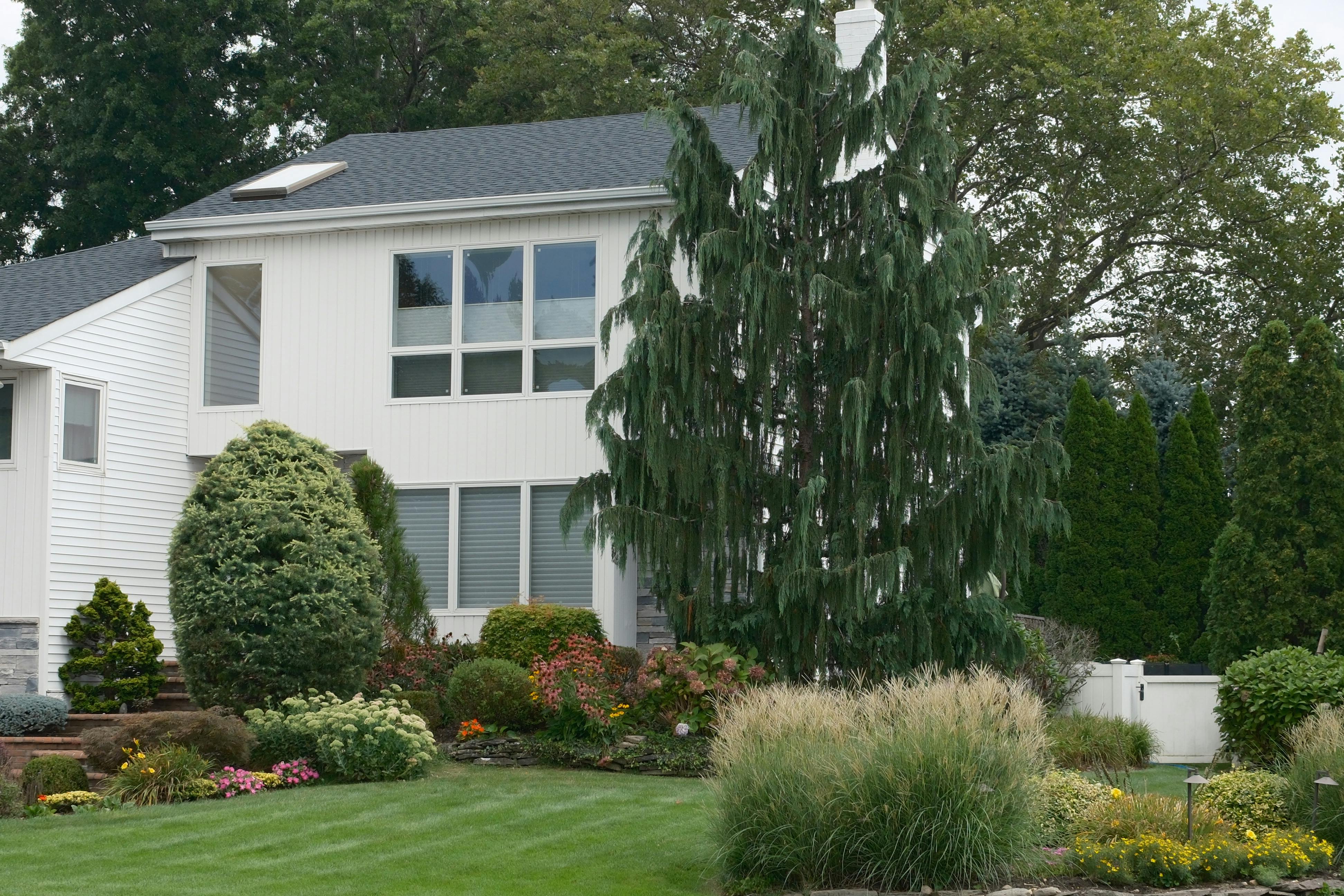
There is a massive difference between maintained landscaping and expensive landscaping.
Maintained landscaping helps.
Expensive landscaping often wastes money.
This is where sellers start fantasizing about outdoor kitchens, retaining walls, stone paths, imported trees, elaborate garden beds, and all the other things that sound like luxury when you are daydreaming and sound like chores when a buyer is walking the yard.
That is the issue.
Buyers do not always look at elaborate landscaping and think “oasis.” Often they think:
maintenance
watering
trimming
replacement costs
more weekend work
That is not the reaction you want.
The goal is not to turn your yard into a boutique resort. The goal is to make it feel cared for, clean, and easy to live with.
That means:
mow the lawn regularly
trim the bushes
edge the beds
remove weeds
clean up clutter
add fresh mulch
Mulch, by the way, is one of the greatest cheap cosmetic tricks in real estate. It makes beds look intentional, refreshed, and cared for at a fraction of the cost of some ridiculous landscaping plan.
You do not need a landscape architect. You need basic dignity and a couple of bags of mulch.
8. Replacing the Front Door When a Facelift Would Do
Yes, curb appeal matters. A lot.
And yes, you will sometimes hear statistics about entry doors delivering incredible ROI.
But here is the nuance sellers miss: those returns tend to apply when you are replacing a door that is damaged, ugly beyond repair, or functionally compromised.
If your front door is solid, closes properly, and is not falling apart, replacing it outright is often unnecessary.
A full replacement can cost serious money, and most buyers will not pay you back for the privilege of having installed a brand-new slab they might repaint anyway.
What actually matters is how the entry feels:
clean
functional
current
welcoming
That can usually be accomplished with:
fresh paint
a modern handle set
cleaned-up trim
better lighting
decluttering the porch
That is the smarter move. You are giving the door a facelift, not reconstructive surgery.
A functioning door with good presentation gets the job done. Do not overbuild the entrance like the buyer is selecting a cathedral.
9. Buying New Window Treatments for Every Room
This is one of the sneakiest wastes of money because it feels harmless.
“Maybe I’ll just put up fresh curtains everywhere.”
No.
Stop.
Most buyers either hate your style, do not care about your style, or already assume they will choose their own window treatments later. So spending real money hanging fresh blinds or curtains throughout the house is usually just decorating for somebody else’s preferences.
That is not your job.
Worse, heavy, dated, or overly specific window treatments can actually hurt the showing. They block natural light, make rooms feel smaller, and sometimes drag the whole house backward into whatever year they most resemble.
The smarter move is usually subtraction, not replacement.
Take down the dated stuff. Remove heavy drapes. Patch the holes. Touch up the paint if needed. Let the windows breathe and the light in.
Bright rooms sell better.
Dark rooms feel small, tired, and older than they are.
This is one of those moments where doing less often improves the house more.
10. Over-Improving a House for the Neighborhood
This is the repair mistake that turns into an investment mistake.
You take a modest home in a modest neighborhood and decide to transform it into some kind of architectural masterpiece. Huge addition. Ultra-custom finishes. Luxury overhaul. The whole thing.
And then the appraiser shows up and quietly wrecks your dreams.
Why?
Because value is heavily tied to comparable sales.
If the surrounding homes support one value range, there is only so far your renovations can drag that number upward before the market stops cooperating. You may have built something much more expensive than the location can support.
That means the bank may not validate your expectations, and buyers may not fully reward you for your spending either.
This is how sellers accidentally create the worst possible outcome: they spend huge money, make the house an awkward outlier, and then discover they cannot recover the investment because the neighborhood never had room for that much ambition.
It is the cottage-with-a-castle problem.
The house may be nicer. It may even be objectively much nicer. That does not mean it is economically smarter.
If your goal is resale, always ask what the neighborhood supports before you pour serious money into major upgrades. Real estate is not only about what something cost you. It is about what the market will recognize.
Bonus Move: Market Low Utility Costs Instead of Spending on Wrong Repairs
Here is one of the smartest low-cost tactics in this entire process.
Pull your last 12 months of utility bills.
Why?
Because buyers today are not only buying your house. They are mentally buying the monthly burden that comes with it. Insurance. Taxes. Utilities. HOA. Maintenance. Everything.
If your electric, water, or gas costs are low, that is valuable information. Show it off.
Print a simple summary. Put it on the kitchen counter during showings with any relevant roof estimates, maintenance records, or other practical buyer reassurance items.
That does more for buyer confidence than a lot of dumb repair spending ever will.
You are giving them usable information that lowers uncertainty.
Uncertainty kills offers.
Clarity helps them.
The Repairs That Actually Matter
Now, I do not want you misunderstanding the point of this article.
This is not me saying, “Do not fix anything.”
That would be stupid.
There are absolutely repairs worth making before you sell. The key is that they tend to fall into different categories than the ego projects sellers obsess over.
Worthwhile repairs are usually:
safety-related
financing-related
visibly neglected
simple and high-impact
cheap relative to buyer confidence gained
Things like:
obvious leaks
dangerous trip hazards
broken handrails
missing outlet covers
malfunctioning fixtures
severe stains or odors
major cleanliness issues
paint touch-ups
broken glass
non-working doors or windows
Those things matter because they affect trust. Buyers notice them. Inspectors notice them. Lenders sometimes care. They create doubt, and doubt lowers value fast.
So the goal is not laziness.
The goal is selectivity.
The Smarter Seller Mindset
The smartest sellers ask one question before every repair:
Will this increase buyer confidence enough to justify the cost?
Not:
“Would this look nice?”
“Would I like this if I were staying?”
“Would this be fun to upgrade?”
“Would HGTV approve?”
Those are homeowner questions.
You are not a homeowner right now.
You are a seller.
That means your job is to make the house:
clean
safe
functional
bright
neutral
trustworthy
easy to say yes to
That is where the money is.
Not in giant remodels. Not in custom upgrades. Not in overcorrecting every visible imperfection like the buyer is grading your house with a jeweler’s loupe.
Keep the goal in mind: maximize net proceeds, not renovation bragging rights.
Final Thought
Selling in 2026 is not about being cheap. It is about being efficient.
It is about understanding which repairs create confidence and which ones just create receipts.
The wrong projects burn equity. The right projects protect it.
So skip the kitchen fantasy. Skip the panic roofing decision. Skip the new curtains, the driveway overhaul, the window package, and the urge to build Versailles in a ranch-home neighborhood.
Fix what matters.
Ignore what does not.
And stop letting Home Depot turn your home sale into its quarterly earnings report.
Because once you understand which repairs to avoid, the next step is making sure the home is priced correctly in the first place.
Get The FSBO Seller Plan here:https://foolprooffsbo.com/fsbo-survival-guide


