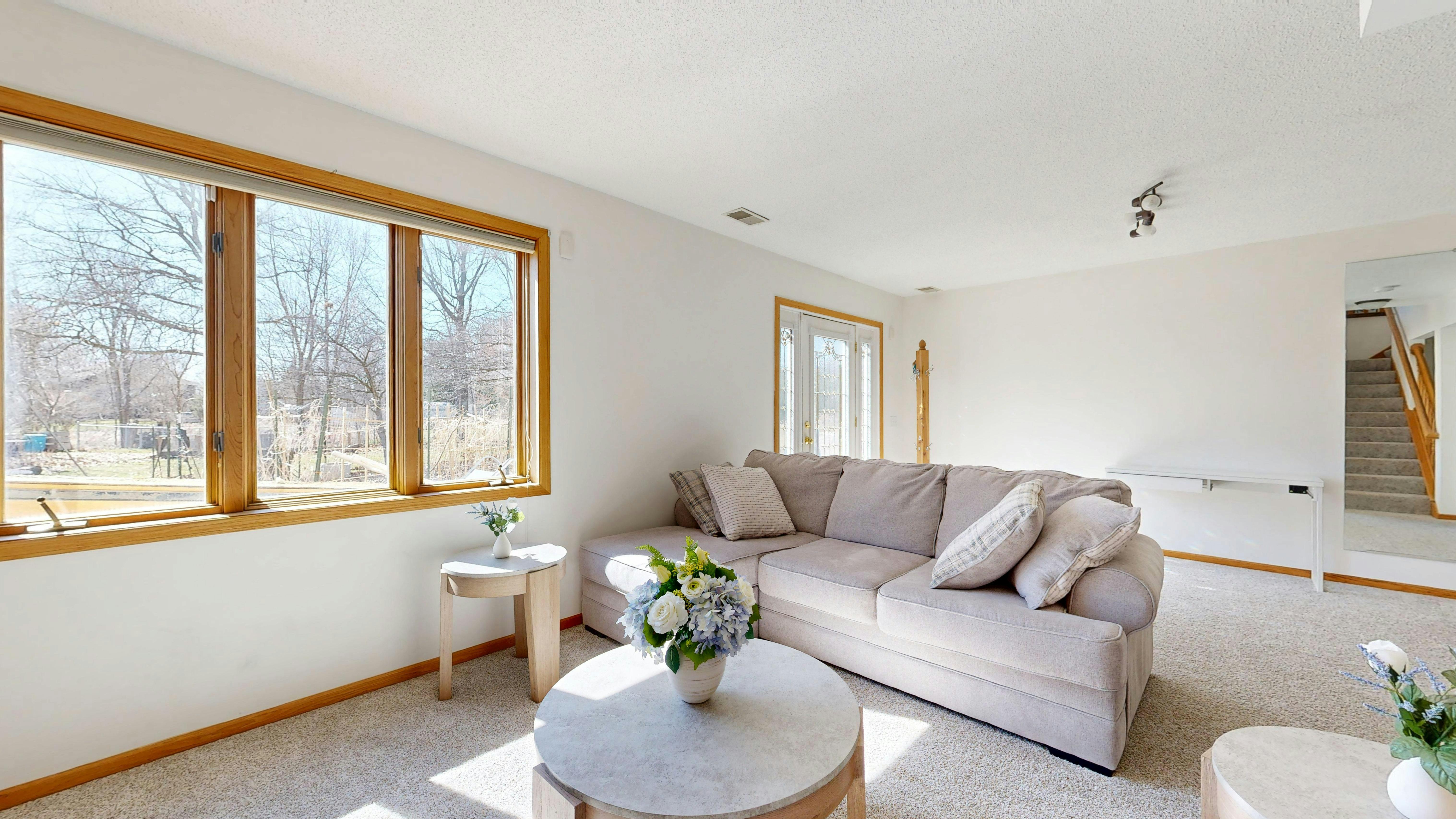
The 7 Staging Tricks Nobody Talks About When Selling
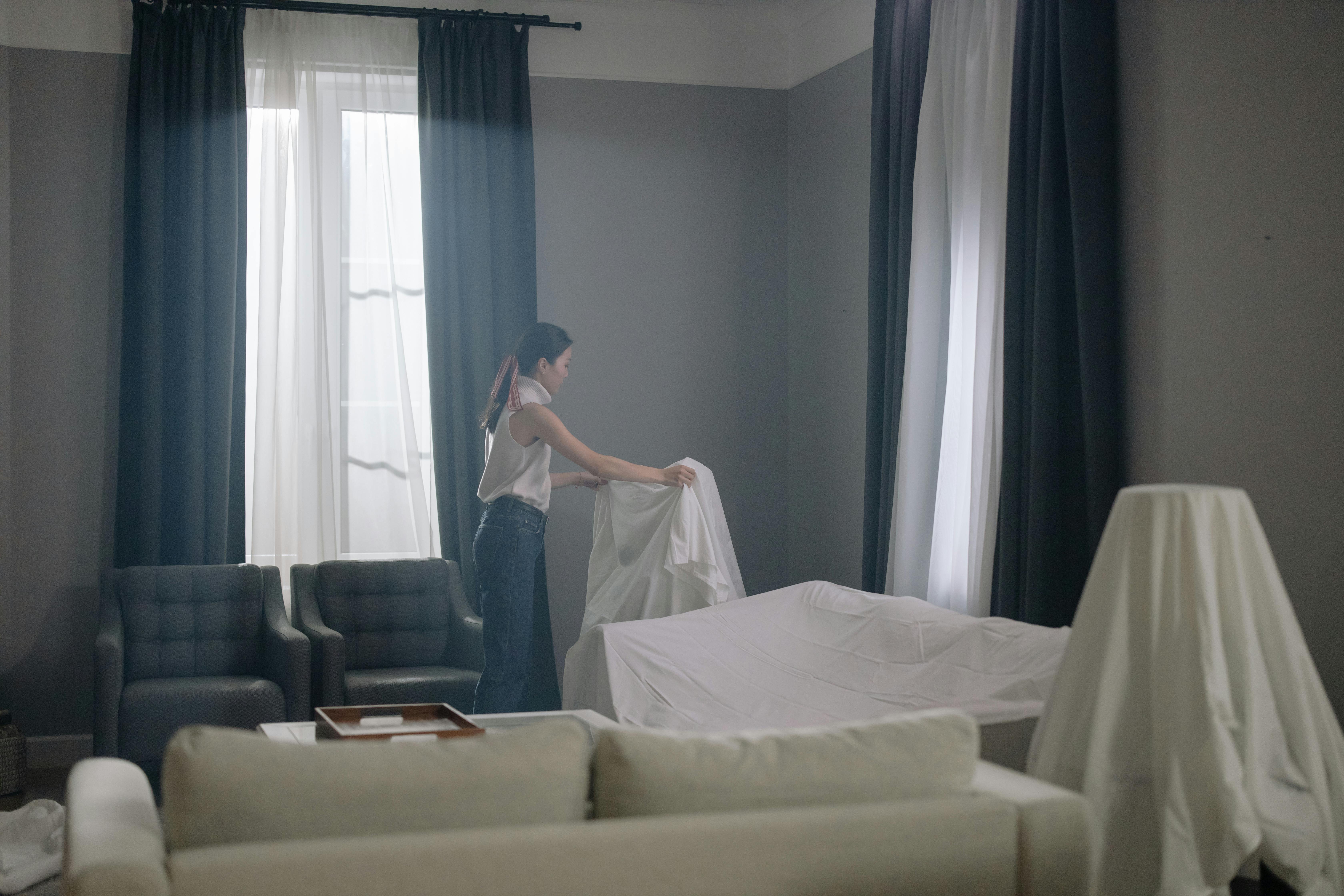
If you are thinking about selling your home and you are over 60, most staging advice probably sounds like it was written by a 25-year-old who thinks nothing of climbing on a roof with a pressure washer.
We are not doing that.
I am not doing that either.
Selling your home should not require ladders, back pain, risky weekend projects, or spending thousands trying to make your house look like a model home built for people who do not actually own anything.
What you need is simpler than that.
You need to erase the buyer deal breakers that quietly make people walk away, discount your home, or assume the house has been neglected.
And here is the good news:
Most of those problems can be fixed in 48 hours, without wrecking your body and without spending more than a tank of gas.
This is not about remodeling.
This is not about ripping out carpet.
This is not about climbing ladders, repainting the entire house, replacing appliances, or doing anything that should involve an emergency room waiver.
This is about smart staging.
The kind that helps buyers feel the home is clean, bright, cared for, easy to move through, and worth considering seriously.
So here are the seven staging tricks nobody talks about when selling, especially if you want the house show-ready fast without doing anything reckless.

1. Kill the Smell Before Buyers Kill the Showing
Smell is the silent deal killer.
You may not notice it anymore because humans adapt. That is normal. You walk past the dog bed, the litter box, the basement laundry pile, or that closed-up guest room and your brain stops registering it.
But a buyer’s nose is wide awake.
They walk in and within three seconds they notice pet odor, cooking smells, mustiness, trash, old carpet, or anything stale. And once they notice it, they are not imagining their furniture in your living room anymore.
They are calculating cleaning costs.
They are wondering if the smell is in the carpet.
They are wondering if the house has been cared for.
That is why smell comes first.
Before a showing, gather every pet item in the home:
beds
bowls
toys
litter boxes
blankets
crates
Do not hide them in the garage. Buyers look there.
Do not shove them into the laundry room. Buyers look there too.
Put them in your car trunk during showings.
Then take out every trash bag. Replace the HVAC filter if you have not changed it recently. Open every window for 15 minutes to get a full air exchange, even if it is cold outside.
And do not try to solve odors with plug-ins or candles.
That tropical candle that smells like a pineapple got into a fight with a chemical factory is not helping you. It tells buyers you are covering something up.
Fresh air beats fake fragrance every time.
If you are not sure whether your home has a smell, ask a brutally honest friend to walk in and tell you the truth immediately. Not after they have been inside for ten minutes. Immediately.
That first reaction is what buyers get.
If the smell is stubborn, hire a one-time cleaning service. Spending $200 now is better than losing thousands because buyers mentally reduced your home’s value before they even reached the kitchen.

2. Fix the Lighting Without Climbing Anything
The next quick win is lighting.
Dark rooms feel old, small, and neglected. Buyers may not say that out loud, but they feel it immediately.
A lot of homes have a random collection of bulbs collected over the years. Soft yellow bulbs, bright white bulbs, old CFL bulbs, mismatched LEDs, and maybe one lamp that looks like it is powered by sadness.
That inconsistency makes the house feel tired.
The fix is cheap.
Buy a pack of LED bulbs in the 3000K to 4000K range. That temperature feels bright and clean without making your kitchen look like an operating room.
Avoid soft yellow bulbs because they can make everything feel dingy.
Now, here is the senior-friendly part:
Only change the bulbs you can safely reach.
Table lamps. Floor lamps. Lamps at shoulder height. Easy fixtures you can reach without climbing.
Do not stand on chairs. Do not climb a ladder. Do not turn light bulb replacement into a hip replacement.
If a chandelier or ceiling fixture needs help, ask a younger helper or hire a handyman.
Buyers are mostly noticing the eye-level light anyway. A few brighter lamps can completely change the feel of a room.
If you have a dark corner, add a cheap plug-in lamp. No electrician. No installation. Just instant brightness.
This is one of the easiest ways to make rooms feel larger and more welcoming.
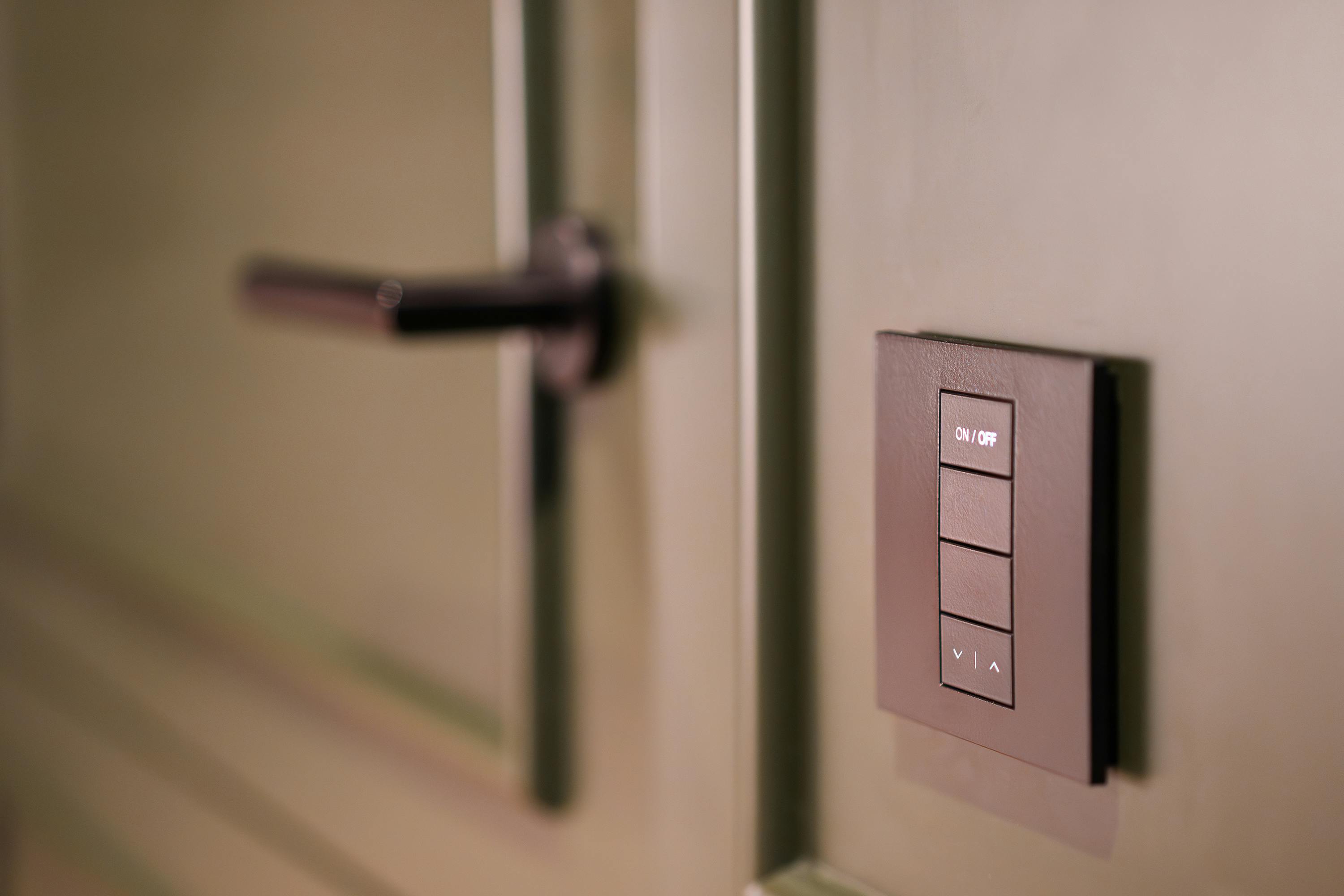
3. Clean the Four Spots Buyers Actually Touch
You do not need to deep clean 2,000 square feet with a toothbrush.
That is not the mission.
Buyers are not usually running white gloves across your baseboards. What they do notice are the high-touch points.
These include:
front door handle
light switches
cabinet pulls
faucets
mirrors
refrigerator handles
dishwasher front
bathroom fixtures
If those spots feel grimy, buyers assume the house has been poorly maintained.
If they shine, buyers assume you cared for the home.
That is unfair, but it is real.
The front door handle is basically the handshake of your house. If it feels sticky or looks dirty, the showing starts badly.
Spend 20 minutes per room and hit the high-touch areas.
Wipe every switch plate. Polish chrome fixtures. Clean cabinet pulls. Shine the mirrors. Wipe down appliances. Make the things buyers see and touch feel fresh.
This is not glamorous work, but it creates confidence.
And confidence is what makes buyers feel safer about making an offer.
If you have the budget, hire a one-time deep clean after decluttering. Let someone else handle the baseboards, microwave, grout, and the areas you do not want to crawl around cleaning.
That is money well spent.
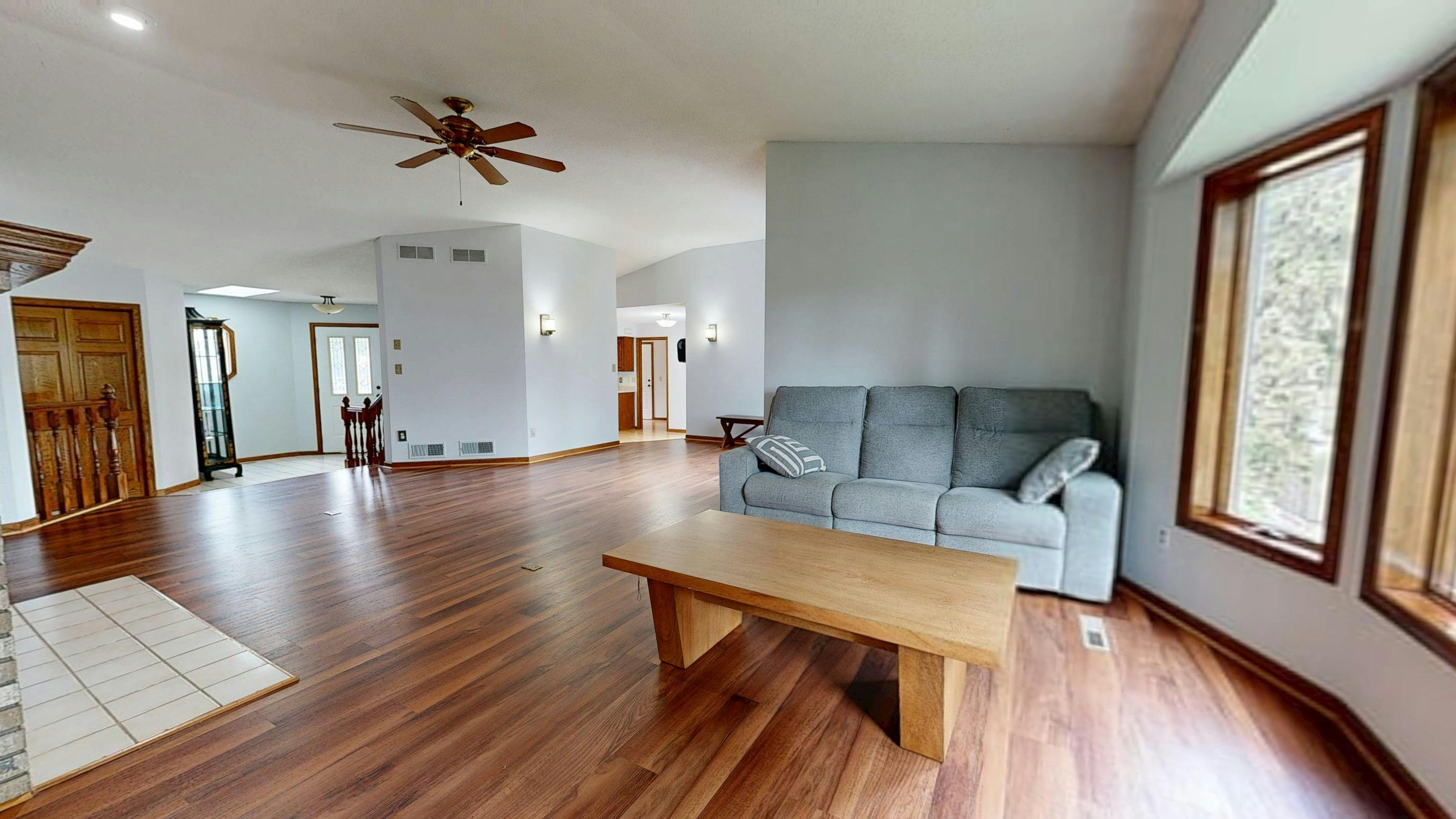
4. Use the 36-Inch Rule to Make Rooms Feel Bigger
Clutter is where sellers lose space without realizing it.
You have lived with your furniture and belongings for so long that you stop seeing them. That stack of magazines by the couch feels normal. The chair blocking half the walkway feels normal. The coffee table squeezed too close to the sofa feels normal.
But buyers see friction.
If they have to turn sideways to get through a room, the room feels small.
So here is the rule:
Every room needs a 36-inch walking path.
If people cannot move comfortably through the room, something has to go.
Pick the bulkiest piece in each room and move it out if possible. Ask a helper. Do not hurt yourself. If it is too heavy, hire help or leave it for someone else.
Your goal is not to create your perfect living setup. Your goal is to sell.
That means some favorite furniture may need to be temporarily removed.
Countertops need the same discipline.
Kitchen and bathroom counters should have a maximum of three items. Everything else goes into a drawer, bin, or cabinet during showings.
When buyers see 12 small appliances, piles of mail, medicine bottles, and random clutter, they do not see function.
They see a lack of space.
Closets matter too.
Buyers open closets. Sometimes within the first minute.
Your closets should look about 30% empty. If hangers are crammed together, buyers assume there is no storage. Use bins, donate what you do not need, or temporarily move items elsewhere.
Storage sells when buyers can see it.
Content Upgrade: Get the 7-Day Market-Ready Checklist
Before you list, get the simple prep steps organized so your home feels clean, bright, and buyer-ready.
Download the 7-Day Market-Ready Checklist here:
👉 https://foolprooffsbo.com/checklist
5. Make Small Updates That Signal “Current”
You do not need to remodel.
You just need a few small updates that make buyers feel like the home has been cared for.
Start with cabinet hardware.
Old knobs and pulls can date a kitchen or bathroom fast. Modern brushed nickel or matte black hardware can make cabinets feel fresher for very little money.
This is the kind of project you can often do with a screwdriver and a little patience.
Then add a few simple staging upgrades:
fresh white towels in bathrooms
one modern lamp
a neutral entry rug
clean matching bedding
a fresh toilet seat if the current one looks worn
That toilet seat sounds ridiculous until you think about buyer psychology. A fresh white toilet seat says clean in a way almost nothing else does.
Bathrooms should feel like a hotel:
white towels
spotless mirror
shiny faucet
clean grout
clear counters
no personal products everywhere
Bedrooms should also borrow from hotel logic:
clean bedding
simple nightstands
nothing on the floor
laundry baskets removed
closets thinned out
You are not trying to impress buyers with luxury.
You are trying to make the house feel easy, clean, and move-in ready.
6. Reset the Curb Appeal Without Doing Yard Acrobatics
The outside matters because buyers judge before they even reach the door.
But again, we are not climbing ladders, power washing roofs, or pretending this is a home improvement show hosted by people with reinforced knees.
Start with a trash bag and walk the yard.
Remove:
broken planters
old hoses
random tools
empty pots
recycling bins
yard clutter
anything that looks forgotten
Then sweep the porch.
Replace the doormat if it looks like it survived a natural disaster.
Clean, neutral doormats are cheap and make the entry feel more intentional.
Check your house numbers. If they are faded, missing, or hard to read, replace them with stick-on numbers from the hardware store.
That takes minutes and helps buyers actually find the house without circling the block.
This is simple curb appeal.
Not expensive landscaping.
Not risky projects.
Just removing neglect signals before buyers start forming opinions.
7. Know What Not to Do This Weekend
This may be the most important staging trick of all.
Do not do risky, heavy, or unfinished projects right before selling.
We are not:
climbing ladders
getting on the roof
moving heavy furniture alone
ripping out carpet
repainting entire rooms
replacing appliances
tearing down wallpaper
starting anything that will still be unfinished Monday
If it can injure you, delay you, or create a half-finished mess, it is not on the weekend list.
Save those projects for paid help.
The goal is not heroics.
The goal is visible buyer confidence.
By Sunday night, you want to walk through the house and almost not recognize it because it feels lighter, cleaner, brighter, and easier to imagine living in.
That is what buyers need.
What Sunday Night Should Look Like
By the end of your 48-hour prep, your home should feel:
fresher
brighter
less crowded
easier to walk through
cleaner at the touch points
less personal
more neutral
more buyer-ready
Your total investment may be $150 to $200.
Your total time might be eight focused hours across two days.
And ideally, you have zero emergency room visits from standing on a rolling desk chair to change a light bulb.
That is a win.
The whole point is to make buyers think:
“I could move in here.”
Not:
“I need to change everything.”
Final Thought
Staging does not have to be complicated.
It does not have to be expensive.
And it definitely does not have to be dangerous.
The biggest wins often come from the simplest changes:
Fresh air. Better lighting. Clean handles. Clear walking paths. Empty counters. White towels. A clean porch.
Those details may feel small, but buyers use them as signals.
If the home feels clean, bright, and cared for, they assume the bigger things were probably cared for too.
That is how you remove doubt.
And once the clutter is gone and the light is right, your next job is to make the home memorable enough that buyers do not just like it.
They remember it.
That is how you move from showings to offers.


