
Backyard Red Flags That Lower Your Home Price

One of the hardest parts of preparing a home for sale is separating what you love from what buyers will love.
That backyard vegetable garden you built over five summers? Your sanctuary.
The koi pond you meticulously maintain? A source of pride.
The custom playground that hosted hundreds of family memories? Irreplaceable.
But buyers are not purchasing your memories.
They are purchasing a future version of their own life.
And every feature in your backyard either helps them imagine that future—or creates an obstacle they have to mentally remove before they can see themselves living there.
The good news is that most backyard features are not deal killers.
Very few buyers walk away solely because of a garden bed, a pergola, or a koi pond.
The bad news is that many of these features quietly lower perceived value, shrink your buyer pool, or cause buyers to start mentally subtracting money from your asking price before they ever submit an offer.
Today we're looking at the 10 backyard red flags that can lower your home's value before you even get an offer, starting with the relatively harmless items and working our way toward the backyard feature buyers dislike most.
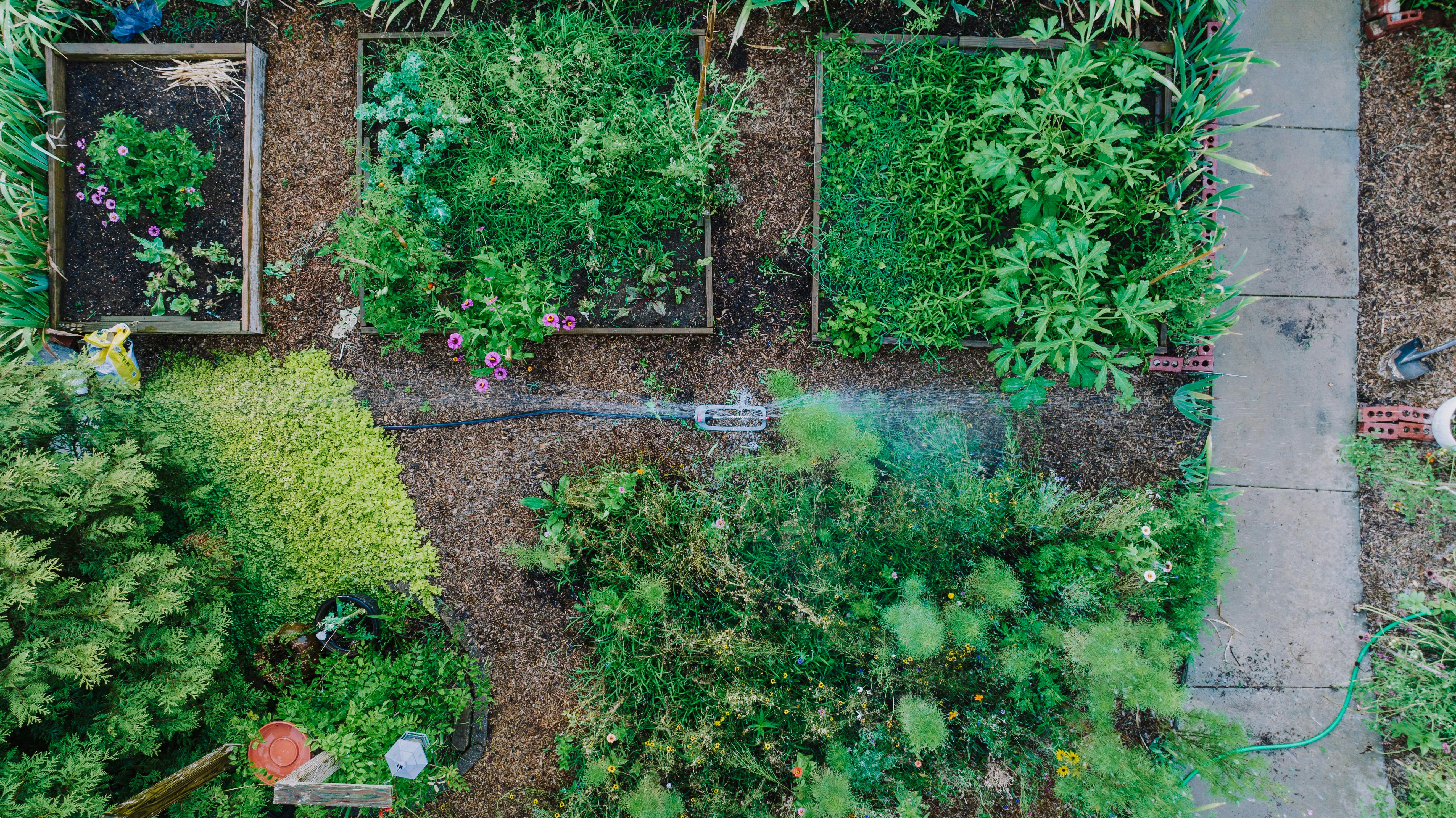
10. The Elaborate Vegetable Garden
Gardeners may not like hearing this.
A beautifully maintained vegetable garden is often viewed very differently by buyers than by the homeowner who created it.
You see raised beds.
Buyers often see work.
You see fresh tomatoes, peppers, herbs, irrigation systems, and years of careful planning.
Some buyers see watering schedules, maintenance responsibilities, and another project added to their weekends.
That does not mean you should tear it all out.
In fact, that is usually the wrong move.
A healthy garden can photograph beautifully and create a charming outdoor atmosphere. The goal is simply to recognize that not everyone shares your enthusiasm.
Keep the garden maintained throughout the listing period. Weed it regularly. Keep irrigation systems functioning. Make it look intentional and attractive.
Then be flexible.
If a buyer asks whether the beds can be removed before closing, be prepared to accommodate the request.
The garden itself is rarely the problem.
The perception of future work is.
9. The Chicken Coop
Backyard chickens have become increasingly popular.
Fresh eggs, sustainability, and a little backyard entertainment can be incredibly appealing to the right homeowner.
Unfortunately, many buyers are not that homeowner.
When buyers encounter a chicken coop, they often think about:
odor
noise
maintenance
predators
HOA restrictions
municipal regulations
Instead of seeing charming hens and fresh eggs, they picture foxes, rodents, ammonia smells, and future headaches.
Even buyers who think they might eventually want chickens may not want yours.
They may prefer selecting their own birds, designing their own setup, and starting fresh.
The solution is simple.
If the coop is active, keep it clean and well maintained.
Present it professionally.
Most importantly, communicate flexibility. Let buyers know you're willing to remove the coop prior to closing if requested.
That small reassurance can eliminate a major objection.
8. The Backyard Putting Green
At first glance, a backyard putting green sounds like a luxury feature.
And for a small group of buyers, it absolutely is.
The problem is that most buyers are not avid golfers.
A putting green occupies valuable yard space that many buyers would prefer to use differently.
Families may want room for children.
Dog owners may want open lawn.
Entertainers may want gathering space.
Gardeners may want landscaping opportunities.
When buyers don't share the hobby, the putting green can begin to feel like wasted square footage.
The key question is condition.
A pristine putting green remains mostly neutral.
A faded, curling, patchy, deteriorating putting green quickly becomes a liability.
If the turf is worn, the edges are lifting, or the surface looks neglected, buyers begin calculating removal costs.
When that happens, perceived value drops.
If removal becomes a negotiation point, offering a credit may be more effective than arguing its value.
The feature itself isn't necessarily negative.
Poor condition is.
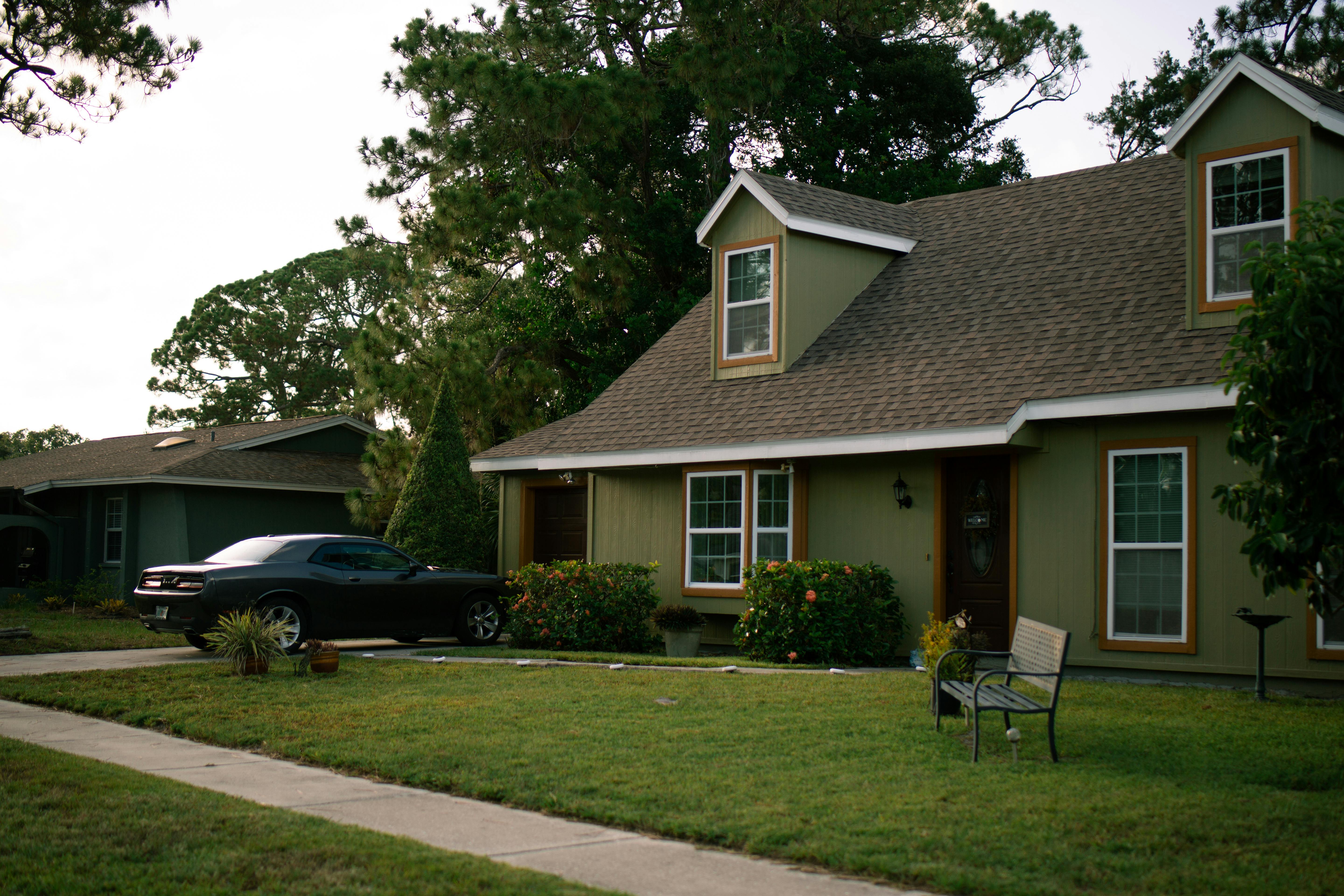
7. The Neglected Lawn
This is one of the biggest mistakes sellers make.
Homeowners spend thousands improving landscaping while completely ignoring the lawn underneath it.
Fresh mulch.
Beautiful flowers.
Decorative edging.
Yet the lawn remains brown, patchy, overgrown, or weed-infested.
The problem is that your lawn serves as the foundation for every exterior photograph.
No amount of photography skill can disguise a neglected lawn.
Buyers notice it immediately.
Before they see the kitchen.
Before they see the primary suite.
Before they see the upgraded bathrooms.
They see the lawn.
A neglected lawn creates an immediate impression that maintenance has been deferred elsewhere as well.
Whether that impression is fair or not does not matter.
Perception influences value.
Fortunately, this is one of the most affordable fixes on the list.
Start early.
Seed damaged areas.
Apply fertilizer.
Improve watering.
Trim edges consistently.
Control weeds.
Most importantly, give yourself time.
Grass rarely recovers overnight.
The earlier you begin preparing your lawn, the stronger your listing photos and buyer impressions become.
6. The Koi Pond
A koi pond is deeply personal.
Which is exactly why it can become problematic.
For pond enthusiasts, a koi pond represents beauty, tranquility, craftsmanship, and dedication.
For buyers, it often represents uncertainty.
They see pumps.
Filters.
Electrical systems.
Maintenance schedules.
Water treatment requirements.
Fish they didn't choose and don't know how to care for.
Instead of seeing a relaxing feature, many buyers see a hobby they never asked to inherit.
That doesn't mean the pond must go.
Many ponds remain neutral when maintained properly.
Keep the water crystal clear.
Ensure pumps operate correctly.
Remove algae buildup.
Maintain landscaping around the pond.
Present it as a well-cared-for feature rather than a deferred maintenance project.
Some buyers will absolutely love it.
Many won't.
Your goal is simply to minimize objections.
MID-ARTICLE CONTENT UPGRADE CTA
Want My FSBO Negotiation Scripts That Earn an Extra 10%?
Get the FSBO Negotiation Power Pack — the exact scripts sellers use when agents or buyers try to crack their confidence.
Learn what to say, when to stay silent, and how to control the deal.
Download here: https://foolprooffsbo.com/checklist
5. The Custom Playground
Parents understand this one immediately.
You invested time.
Money.
Energy.
Probably several frustrating weekends.
The result was a backyard playground your kids absolutely loved.
Years later, you're preparing to sell and wondering whether that playground adds value.
Usually, it doesn't.
At least not directly.
Family buyers may appreciate it.
Non-family buyers may view it as a liability.
Some buyers worry about safety.
Others worry about removal costs.
Some simply want the yard space for something else entirely.
The reality is that most custom playgrounds wash out to neutral.
They rarely add substantial value.
They rarely destroy value either.
The best strategy is to maintain it properly and allow buyers to decide.
Keep it clean.
Keep it safe.
Keep it visually appealing.
Then be willing to remove it if requested.
Buyers generally know quickly whether they want it or not.
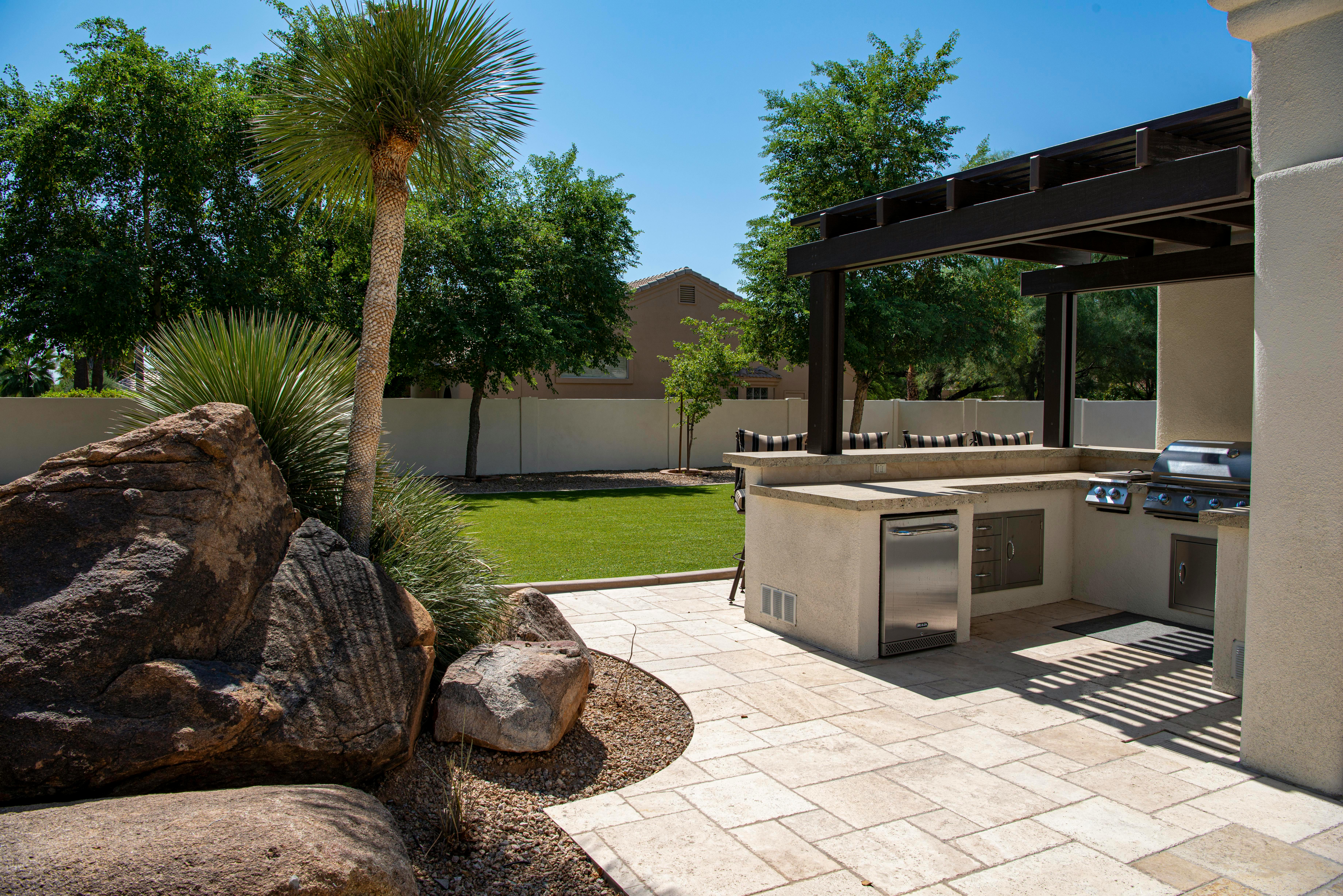
4. The Neglected Outdoor Kitchen
Outdoor kitchens can be exceptional selling features.
When they're functional.
A beautiful outdoor kitchen helps buyers imagine entertaining guests, hosting cookouts, and spending more time outdoors.
A broken outdoor kitchen creates exactly the opposite reaction.
Ask yourself honestly:
Does the grill work?
Does the refrigerator function?
Are countertops intact?
Are cabinets usable?
Is everything clean and operational?
If the answer is no, buyers stop seeing a luxury amenity.
They start seeing a renovation project.
And disappointment hits hard because expectations were elevated first.
When buyers read "outdoor kitchen" in a listing description, they get excited.
Then they walk outside and discover rusted appliances, broken doors, cracked surfaces, and disconnected utilities.
That gap between expectation and reality creates a powerful negative emotional response.
Either restore it properly or stop marketing it as an outdoor kitchen.
Half-functioning luxury features rarely help a sale.
3. The Aging Pergola, Gazebo, or Arbor
Few outdoor features create charm faster than a beautiful pergola.
Unfortunately, few create concern faster than a neglected one.
Buyers can immediately recognize:
peeling paint
rotting wood
sagging beams
structural deterioration
deferred maintenance
And once buyers notice obvious deterioration, they start wondering what else has been neglected.
This is why these structures matter so much.
The issue isn't just the pergola itself.
It's what buyers assume it says about the rest of the property.
The good news is that many pergolas can be restored affordably.
Fresh stain.
New paint.
Minor lumber replacement.
Basic repairs.
A weekend of effort can dramatically improve presentation.
However, if the structure has deteriorated beyond practical repair, removal becomes the better option.
A missing pergola photographs far better than a collapsing one.
2. The Concrete Jungle
This problem develops gradually.
A patio gets expanded.
Then another walkway gets added.
Then another slab.
Then another entertainment space.
Eventually, most of the yard becomes hardscape.
Meanwhile, actual lawn space disappears.
Homeowners often love this arrangement because maintenance decreases dramatically.
Buyers frequently do not.
Many buyers specifically want yard space.
They want room for:
children
pets
gardening
recreation
outdoor activities
When buyers step into a backyard dominated by concrete, they begin calculating restoration costs.
And removing concrete isn't cheap.
Fortunately, you don't necessarily need to demolish everything.
Instead, focus on softening the visual impact.
Add:
large planters
potted trees
outdoor rugs
quality furniture
decorative landscaping
The goal is to make the space feel intentional rather than excessive.
You want buyers imagining outdoor living—not parking lots.
1. The Above-Ground Pool
This is the feature buyers mention most often.
To be clear, this does not apply to most in-ground pools.
In many markets, in-ground pools are highly desirable.
Above-ground pools are different.
Buyers often see:
aging liners
maintenance expenses
future replacement costs
removal headaches
deck demolition requirements
reduced yard usability
They view the structure as temporary.
Worse, they often mentally deduct removal costs from your asking price immediately.
Unlike some other items on this list, above-ground pools rarely generate strong buyer enthusiasm.
Very few buyers specifically hope to inherit one.
Many actively prefer it gone.
That is why this is one of the few backyard features where pre-listing removal often makes sense.
The day the pool disappears, buyers suddenly notice something else:
A larger yard.
More usable space.
More flexibility.
More possibilities.
And possibilities sell homes.

The Real Lesson About Backyard Value
Notice something interesting about this list.
Most of these features are not inherently bad.
The issue is rarely the feature itself.
The issue is buyer perception.
Vegetable gardens create maintenance concerns.
Chicken coops create odor concerns.
Koi ponds create responsibility concerns.
Playgrounds create liability concerns.
Concrete creates usability concerns.
Above-ground pools create removal concerns.
The seller sees memories.
The buyer sees obligations.
Your job before listing is to minimize those perceived obligations and maximize future possibilities.
That is what creates stronger offers.
Your Backyard Is Ready. But What About Your Price?
A beautiful backyard can absolutely help buyers fall in love with a property.
But even the perfect backyard cannot rescue a bad pricing strategy.
Most sellers spend weeks preparing their home physically while spending almost no time preparing their pricing strategy.
And that mistake can cost far more than every backyard issue on this list combined.
Because one pricing mistake can easily cost sellers $50,000 or more.
Before you list your home, make sure you're solving both problems:
Presenting the property properly
Pricing the property correctly
When those two things work together, buyers stop looking for reasons to discount your home and start competing for the opportunity to own it.


