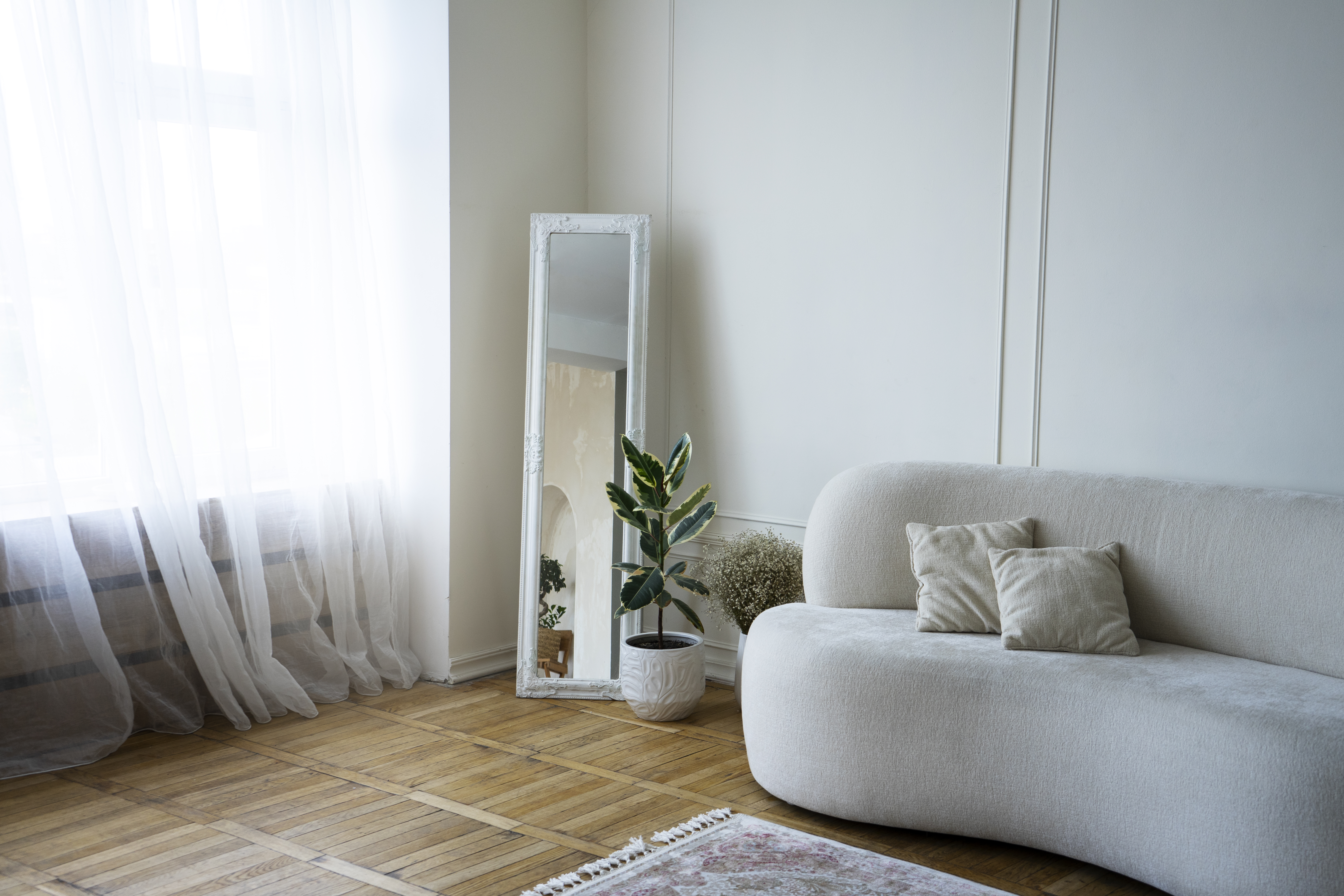
6 Staging Secrets That Cost Less Than Date Night
Most homeowners think staging means renting furniture and hemorrhaging cash. That’s dead wrong. In most markets, you don’t need a storage unit, designer sofas, or a moving crew to make buyers fall in love with your place. You need a handful of tiny staging moves—call it about two hundred bucks total—that flip a switch in buyer brains from seeing costs to seeing potential. Below, I’ll show you the six moves (five core + one grocery-run bonus) and exactly how to do them in a single evening, so your For Sale By Owner listing reads “bright, clean, calm, and well cared for” online and in person.
60-second takeaway (read this first)
Buyers make roughly a thousand micro-judgments in the first eight seconds. Win those seconds and you win the showing. These six, sub-$200 moves deliver outsize results:
• Swap every bulb to 5000K daylight for gallery-level consistency.
• Float furniture six inches off the walls to add depth and flow.
• Run “hotel rules” in baths: white towels, empty counters, a single green accent.
• Keep air neutral—no “pumpkin spice assault candle” detective triggers.
• Use one traveling hero plant across photos for subconscious cohesion.
• Stage a lemon-bowl focal point in the kitchen to reframe “fresh/abundant.
Why tiny staging changes beat big furniture rentals
When you sell FSBO, every dollar matters twice—first when you spend it, and again when it weakens your negotiation stance. Full-scale furniture rentals can look great, but they rarely fix the actual blockers that sabotage buyer confidence: mixed lighting that turns rooms into color chaos, flat “hug-the-wall” layouts, bathrooms that feel personal instead of pristine, suspicious smells, and kitchens that whisper “expensive remodel.”
Small, targeted moves attack those blockers at the source. They remove noise so buyers focus on light, space, and flow—the three things they value even more than trendy finishes. The best part? You can implement all six tonight, with one cart’s worth of supplies.
The buyer brain: a walking spreadsheet (with feelings)
Picture your buyer as a walking spreadsheet with emotions. They’re calculating light quality, traffic flow, and cleanliness cues while also wondering if that ceiling stain looks more like Elvis or Whoopi Goldberg. The crazy part? Most sellers obsess over cabinet hardware while the house smells like wet golden retriever. Visual memories fade fastest; smell and feel linger. Your job isn’t to impress so much as to remove friction so buyers relax and imagine living here—without mentally deducting dollars for mysteries and repairs.
Secret #1: Make light consistent (swap every bulb to 5000K daylight)
What it fixes: “Multiple personality” photos. When the kitchen glows yellow and the living room reads blue, your gallery feels disjointed. Many pro photographers quietly bring a bag of matching LEDs to every shoot because editing can’t fully fix mixed color temperatures.
The move:
Buy enough 5000K “daylight” LED bulbs to replace every bulb buyers will see.
Replace them all in one pass—no mixing warm 2700K with daylight 5000K.
Photograph after the swap; compare doorway shots before/after. The whole home will suddenly “flow” frame to frame.
Cost: ~$35–$70, house-size dependent.
Pro tip: Keep the old bulbs in a labeled bag and offer them to the buyer. Photos and showings still benefit from your daylight consistency.
What to avoid: Swapping most, but not all. That one yellow sconce in a photo ruins the seam.
Secret #2: Pull furniture six inches off the walls (create three zones)
What it fixes: The flat, cramped look. Pushing sofas and chairs against walls does not make rooms feel bigger; it creates one lifeless plane. Interior designers charge thousands to teach this next sentence: air = depth.
The move:
Float seating six inches off the wall—yes, even in smaller rooms.
Create three zones: furniture zone (conversation), air zone (breathing space), and wall zone (frame + art).
Anchor the area with a rug under the front feet of seating.
Take before/after pics from the doorway. Your eyes will instantly read depth and intentionality.
Cost: Free (maybe $10 for furniture sliders).
Pro tip: Maintain 36 inches of clear walk path around main routes so buyers glide through instead of side-shuffling like it’s a sardine can.
What to avoid: A TV first sightline from the door. Aim initial sightlines toward windows, art, or your hero plant.
Secret #3: Bathroom = hotel rules (white textiles, empty counters, one green accent)
We’re wired to evaluate “rooms with water” for safety and cleanliness—primal brain stuff. A buyer will overlook a dated vanity if the space reads spa-clean, but will nitpick a perfect bath if they see personal clutter. No one needs a tour of your toenail clippers or that prescription cream you’d rather not discuss.
The move:
Hide personal items (meds, razors, half-used bottles). Empty the counters.
Hang three matching white towels folded identically (hotel cue).
Add one small green plant for life without clutter.
Replace a dingy shower liner, scrub grout/caulk until it photographs clean.
Close toilet lids. Always.
Cost: ~$25–$40.
Pro tip: A tiny tray with hand soap only reads organized. Five items read chaos.
What to avoid: Axe body wash museum displays and artificial fragrances. We’re not masking; we’re proving clean.
Secret #4: Neutral air beats fragrance (kill odors at the source)
A heavy scent makes buyers wonder, “What are they hiding?” Inspectors admit they scrutinize perfumed homes harder because sellers often deploy the “Bath & Body Works defense.” Don’t light a pumpkin spice assault candle and hope for the best. Fix the source.
The move:
Cross-ventilate: open opposite windows for 20 minutes.
Run a HEPA filter (or replace HVAC filters).
Wash soft goods: curtains, throws, cushion covers, pet beds.
Deep-clean odor traps: trash cabinet, fridge gaskets, laundry room, litter zones.
Keep it scent-neutral on showing day.
Cost: $0–$50.
Pro tip: If there’s a persistent musty spot, dehumidify and attack the leak—do not try to out-fragrance a moisture problem.
What to avoid: Plug-ins or last-minute sprays. Neutral air lets buyers focus on space and light, not play detective about what died in your walls.
Secret #5: The traveling “hero plant” (one cohesive natural element)
Want your photo set to feel like it tells a single story? Luxury stagers often roll one handsome plant from room to room like a very slow green assistant. Your eye recognizes it subconsciously across angles and reads “life” everywhere.
The move:
Choose a waist-high plant with soft leaves (quality faux is fine for photos).
Place it where multiple camera angles catch it—near a window, beside a credenza, flanking the sofa.
Move it for each photo set (living → primary → office).
Avoid shiny plastics that scream “fake ficus from 1997.”
Cost: $40–$120 one-time.
Pro tip: If your space is tight, pick a slimmer profile plant. Height without bulk is the goal.
What to avoid: Three different plants competing across shots. One plant used well ties the gallery together.
Secret #6: The lemon-bowl focal point (reset kitchen psychology)
Kitchens kill more deals than nearly any room because buyers mentally subtract remodel costs while they stand at your island—every knife block and toaster shouting “expense.” You can’t rebuild the layout, but you can redirect attention to fresh/abundant.
The move:
Clear counters completely—yes, even the espresso fleet.
Place one clean bowl with seven bright lemons dead center.
Photograph late morning for soft natural light; kitchen lights on for sparkle.
Hide real-life items in a bin under the sink between showings.
Cost: ~$9 if you already own a bowl.
Pro tip: Green apples work too. Stick to a single color for a calm focal point.
What to avoid: “Almost clear” counters. One object only; more = noise.

The one-evening execution plan (so you actually do this)
Quick shopping list:
• 5000K daylight LED bulbs (enough for visible areas)
• Three matching white bath towels + fresh shower liner
• One waist-high soft-leaf plant (real or quality faux)
• Lemons (7) + a clean bowl
• Furniture sliders
• HEPA filter (optional) or fresh HVAC filter
• Magic eraser, grout brush, small tube of caulk
• Two storage bins for “real life” stuff under the sink
• Heavy-duty trash bags
Two-hour sprint (realistic):
Lighting pass (30 min): Swap bulbs in living/kitchen/hall/primary/baths.
Flow pass (20 min): Pull seating 6″ off walls; center rugs; clear 36″ walk paths.
Bath pass (25 min): Empty counters, white towels, plant, swap liner, sparkle the fixtures.
Air pass (15 min): Cross-vent, run purifier, bag trash, toss soft goods in laundry.
Kitchen pass (15 min): Clear counters, lemon bowl, wipe sink/backsplash, stow appliances.
Final sweep (15 min): Hide cords, align blinds/slats uniformly, close toilet lids, put the hero plant where the first photo angle catches it.
Photography window: Update your listing Thursday evening—weekend buyers plan routes then. Fresh photos + clean copy = more tours per day on market.

How these six moves improve negotiations (and everything else)
Negotiations: People buy when they trust what they’re seeing. Consistent light + uncluttered flow says “well maintained.” Hotel baths say “sanitary.” Neutral air says “no secrets.” A cohesive gallery says “organized seller.” Together, they produce stronger offers and fewer nitpicky requests.
Appraisal: Appraisers don’t award points for vibes, but they do document condition and functional utility. Rooms that read larger, cleaner, and brighter tend to photograph better for the report and reduce back-and-forth over “subject to” repairs.
Timeline: A listing that photographs well and shows clean draws more showings per day. More showings compress time on market and help you avoid the dreaded “why is it still active?” suspicion that erodes leverage.
Safety & privacy: Decluttering bathrooms and surfaces removes personal identifiers. Turn off voice assistants and tuck cameras away during showings—no one wants Big Brother in a home tour.

The sensory stack: control the order of impressions
1) Sight (photos → threshold): Daylight bulbs, aligned blinds, tidy edges.
2) Smell (entry beat): Neutral, not fragranced. Fresh air makes buyers relax.
3) Touch (flow): 36″ walk paths; no hip-checks to close the oven door.
4) Sound: Quiet HVAC hum; no TV; skip music unless barely audible and instrumental.
5) Story: One hero plant + one lemon bowl—two anchors buyers notice across rooms.
Stack the senses in that order and you steer attention to space, light, and care.
Room-by-room scripts (so you don’t overthink)
Entry: “Decide the whole house here.” Remove extra shoes, clear the console, sightline to best window. Plant to the side, not center.
Living: “Conversation, not furniture warehouse.” Float seating, rug under front feet, cords gone, TV not first thing you see. If there’s a weird stain that looks like Elvis, fix it—don’t meme it.
Dining: “Invitation.” Bare table or a low bowl; space chairs evenly; blinds at the same angle; hero plant earns an appearance here, too.
Kitchen: “Abundance, not appliances.” Clear counters, lemon bowl center, sparkle sink, hide drying rack. Soft morning light for photos.
Bath: “Hotel rules.” White towels, zero clutter, green accent, closed lids. No reed diffusers.
Primary bedroom: “Rest, not storage.” Two clear nightstands, matching lamps, centered bed. Laundry bins offstage.
Office/bonus: “One function only.” If it’s an office + gym + craft room, pick the one that sells in your market (office near commuter hubs, gym near trail systems).

Troubleshooting (common objections + fast fixes)
“My rooms are tiny.” Smaller side tables, float seating 6″, photograph diagonally from doorways, point first sightline at windows.
“Walls/floors are dark.” Daylight bulbs + white throw/towels + open blinds to 45°. Let the hero plant break the dark corner.
“Counters are dated.” Clear them. Shine them. Lemon bowl center. Add one slim under-cabinet puck for lift if needed.
“I love scents.” Keep them for your life, not the listing. Neutral sells faster than “What are they hiding?”
“Plants die under my care.” Quality faux is fine on camera. Dust leaves so they don’t catch glare.

The grocery-run bonus pack (grab while you’re already out)
If you’ve got another $30–$40, these micro-wins punch above their weight:
• Matching doormats front/back for symmetry in photos.
• Clear, matching soap dispensers (one style across baths + kitchen).
• Cabinet bumpers to quiet the clack—little signals of care.
• Magic erasers for doorjambs and switch plates.
• Extra white shower curtain to swap if splashed pre-showing.
• Fresh vent filters so airflow smells clean and sounds quiet.
⭐ Mid-Article Content Upgrade: FSBO Staging Checklist (Lead Magnet CTA)
FSBO Staging Checklist: 10-Minute Prep for Every Showing
Want a simple, printable checklist that walks you through what to fix, fluff, and freshen before every showing?
Grab the FSBO Staging Checklist and you’ll know exactly what to do in the 24 hours before buyers arrive—without spending a fortune.
👉 Download it here: https://foolprooffsbo.com/checklist
Showings game plan (48-hour cycle)Night before:
• Launder towels/sheets (white = bright).
• Set lemon bowl and align blinds.
• Empty trash; wipe mirrors and faucet bases.
Morning of:
• Cross-vent 20 minutes; run purifier.
• Lights on, doors open, toilet lids down, cords hidden.
• No music, no TV.
Between showings:
• Refluff towels, re-center bowl, snag stray cups, reset plant.
Sunday pm:
• Quick once-over; replace lemons if manhandled.
Tie it together (and hit “publish”)
Complete all six moves, photograph everything, and update your listing Thursday evening—that’s when weekend buyers plan their schedule like they’re invading Normandy (or “taking Normandy,” if you prefer the family-friendly cut). These micro-signals separate homes that pull multiple offers from ones buyers forget faster than their online passwords. You don’t need to rebuild the house; you need to let buyers feel what’s already true: your home is bright, cared-for, and easy to live in.
Mid-article Content Upgrade (free)
Grab the Photo + Staging Guide (Lite)—a printable, room-by-room checklist with bulb counts, camera angles, “remove this” cheats, and a 90-minute prep timer you can use before photos or showings. It pairs perfectly with the FSBO Master Checklist™ for timelines and disclosures.
Download link in Publisher Notes.
If you want to see how real FSBO sellers are executing these launches in real time—sharing scripts, screenshots, and momentum plays—join the For Sale By Owner Support Group – FSBO Tips Nationwide on Facebook. https://www.facebook.com/share/g/17ky2iEq3A/


