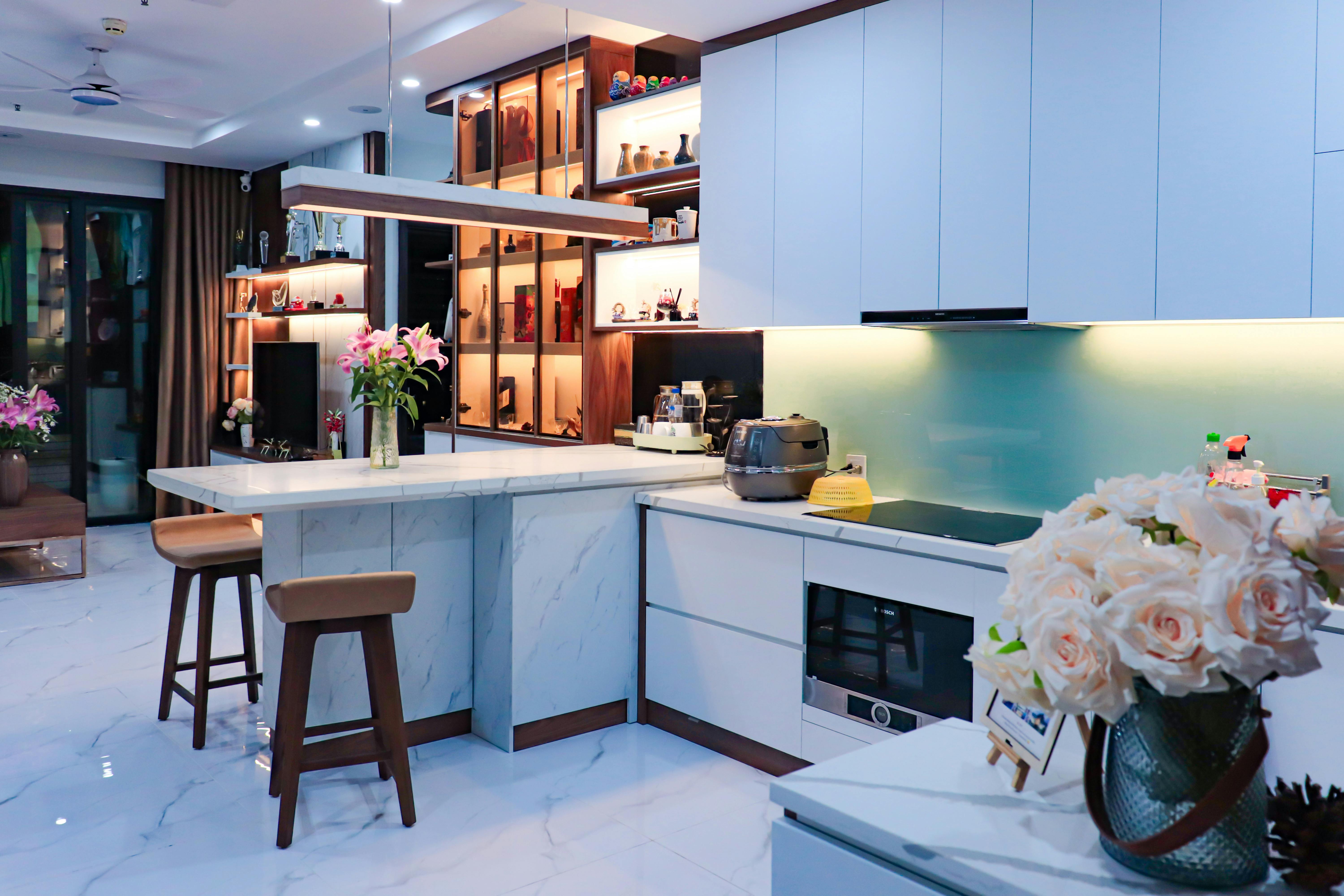
10 Horrible Home Features To Avoid When Selling
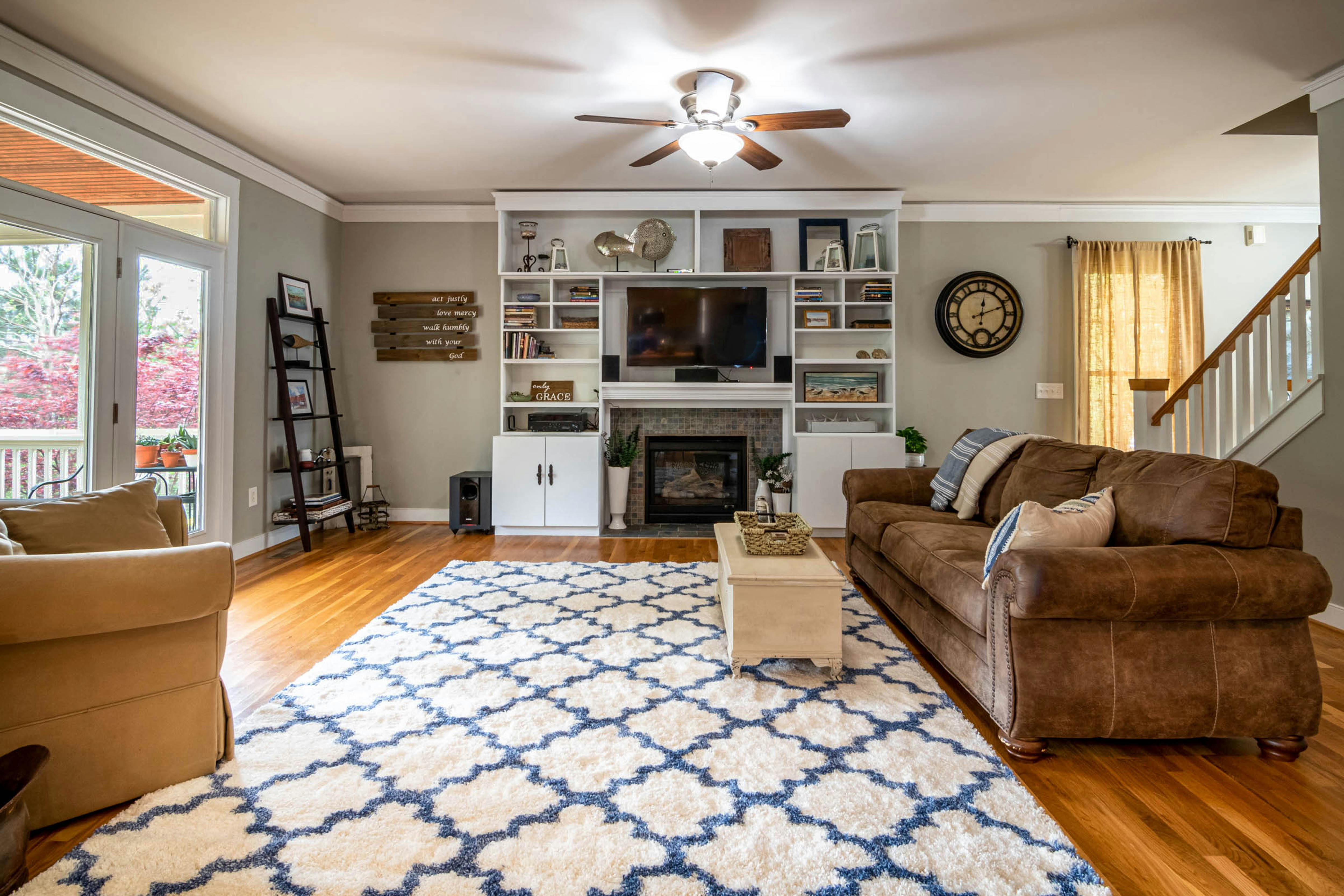
Some home features look incredible in the showroom. They crush on Pinterest. They shine in renovation reels. They get rave comments on Facebook from people who don’t have to clean them, repair them, replace them, or live with them.
And that’s exactly the problem.
Because a whole lot of “upgrades” that sound exciting in theory turn into expensive regrets the moment you actually have to use them in real life. Or worse, the moment you try to sell your house and realize buyers aren’t nearly as impressed as you expected them to be.
That’s the trap.
A lot of homeowners spend money chasing design trends, gadgety convenience, or luxury features they assume will make the home feel more valuable. But the truth is, buyers usually care a lot less about flashy upgrades than they do about simple, functional, low-maintenance choices that make daily life easier.
And if you’re making renovation decisions with resale in mind, that difference matters a lot.
Because the wrong feature doesn’t just fail to help you. It can actively create friction. It can make the home feel dated faster. It can introduce maintenance headaches. It can reduce privacy. It can make cleaning harder. It can make replacement more expensive. And in some cases, it can make a buyer look at your “upgrade” and quietly think, “Great. One more thing I’m going to have to change.”
That is not the emotion you want to trigger.
So in this post, we’re counting down 10 horrible home features to avoid when selling. These are the upgrades and design choices that often look clever, custom, or high-end in the moment, but end up aging badly, functioning poorly, or creating more hassle than value.
And no, this doesn’t mean you’re doomed if you already have one of these. Some people genuinely love their pot filler. Some people would defend their barn door like it’s a family member. Fine. Live your life.
But if your goal is to improve resale value, avoid expensive renovation mistakes, and make smart decisions before putting your home on the market, this is the list you want to pay attention to.
Let’s count them down.
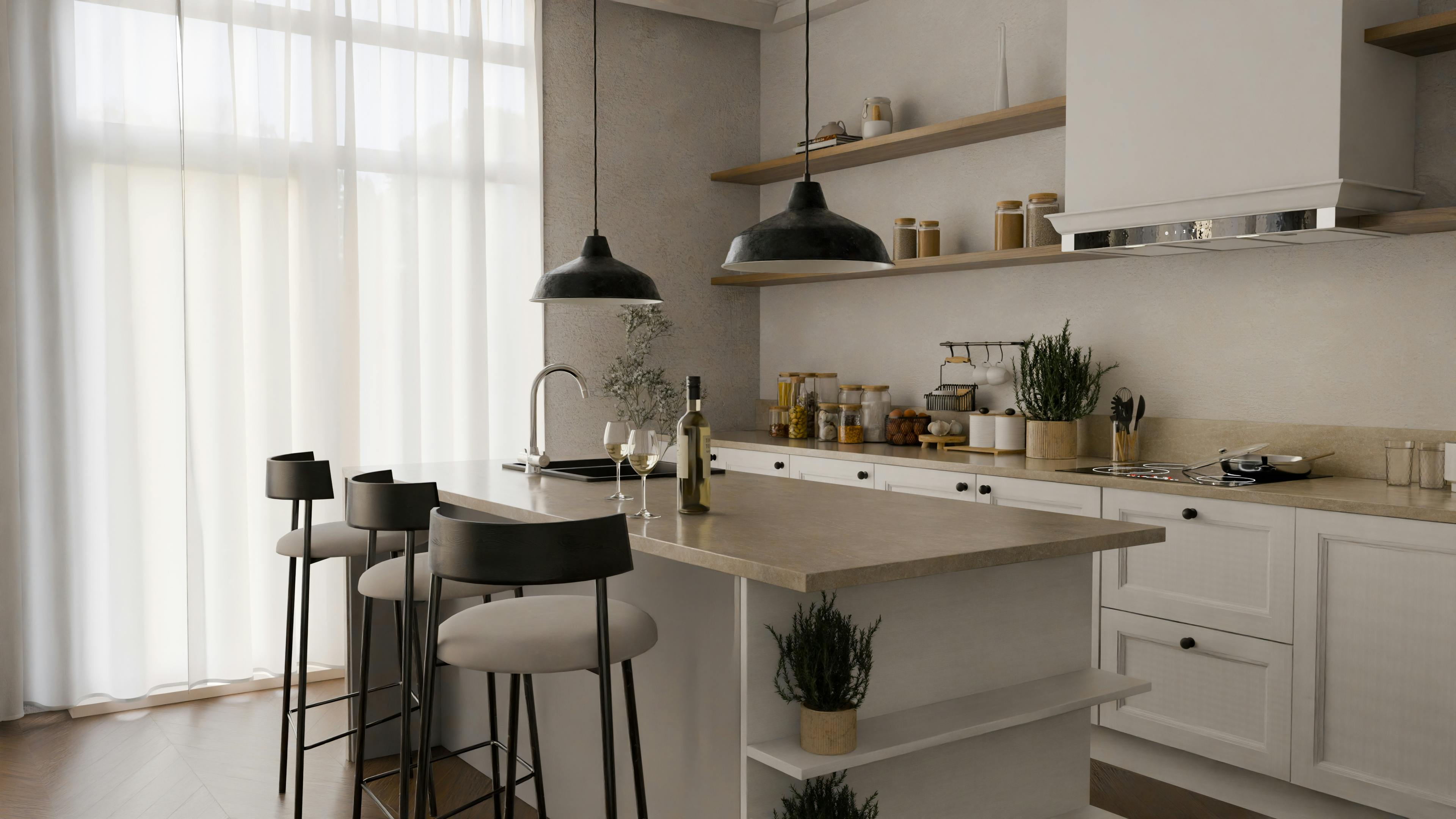
10. Open Shelving Looks Great Online and Creates a Cleaning Job in Real Life
Let’s start with one of the most over-romanticized kitchen “upgrades” on the internet: open shelving.
Open shelves look incredible in design blogs. Floating wood. Minimal styling. Perfect stacks of neutral dishes. A tiny plant. A cookbook nobody actually cooks from. It all feels clean, elevated, and modern.
Right up until you have to live with it.
Because real kitchens are not styled photo shoots. Real kitchens produce dust, grease, steam, crumbs, splatter, cooking odors, and all the other chaos that comes with daily life. And once you remove upper cabinets and replace them with open shelves, every dish, bowl, mug, and container you own is now part of the visual burden of the room.
That’s not elegant. That’s exhausting.
The shelves only look good when they’re curated. The second you add normal-life objects like mismatched storage containers, random glasses, an ugly calendar, kids’ cups, or the functional but hideous stuff every household owns, the whole “designer kitchen” fantasy starts collapsing under the weight of reality.
And then there’s the cleaning.
You’re not just wiping dust off the shelves. You’re wiping cooking residue off everything on them. If you sauté onions once, every bowl on display becomes part of the cleanup plan. That’s a lot of work for a feature that removed storage and created maintenance.
Buyers see that too. They may admire the look initially, but plenty of them immediately start thinking, “Where am I supposed to put my actual stuff?”
That is not a good sign.
9. Pot Filler Faucets Solve Half a Problem and Create a Whole New One
Pot fillers are one of those features that sound genius when someone else describes them.
“No more carrying a heavy pot of water from the sink to the stove.”
Okay. Fair enough. That sounds convenient.
Except it only solves half the problem.
Because once the water is boiling and the pasta is cooked, you still have to carry that giant pot full of boiling water back to the sink to drain it. So the feature didn’t really eliminate the hard part. It just moved it.
And that’s before you get into the installation cost, plumbing complexity, and maintenance issues.
A pot filler usually means extra plumbing, extra fixture cost, and extra points of failure in a place where you do not actually need them. If it sits unused for long stretches, the water in the line can get stale. You may end up running it for a while before using it. And for a feature that many households use only occasionally, that’s a lot of money tied up in a pretty narrow convenience.
This is what happens when a feature is designed to impress more than it is designed to improve your life.
Buyers notice that too. Some may think it looks upscale, but many others see it for what it is: something expensive that doesn’t matter much.
8. Built-In Jacuzzi Tubs Are Oversized, High-Maintenance, and Usually Unused
Now let’s talk about the oversized built-in jacuzzi tub, which is basically the poster child for luxury that never gets used.
These things seem cool at first because they’re massive. They feel fancy. Spa-like. Resort-ish. They give a bathroom that “primary suite upgrade” vibe that homeowners imagine will wow buyers and improve daily life.
Then real life shows up.
Cleaning one of these things is a chore. A big, awkward, miserable chore. You’re climbing around the tub, reaching into corners, scrubbing acres of acrylic, and questioning every decision that got you here. And unlike a normal tub, a jetted tub has internal plumbing components and jet systems that need maintenance too.
That is where it gets gross.
Improperly maintained jets can hold stagnant water. Some tubs require regular cleaning cycles just to keep the internals sanitary. If you’re not staying on top of that, then every “relaxing soak” becomes a pretty unsettling science experiment.
And here’s the funniest part: many people almost never use them anyway.
The big tub that looked so luxurious during the remodel often becomes a large decorative object that takes up a ton of space, collects dust, and quietly reminds everyone that somebody paid a lot of money for an idea instead of a practical feature.
From a resale standpoint, buyers increasingly prefer bathrooms that feel clean, simple, spacious, and easy to maintain. A giant jacuzzi tub may feel more like baggage than luxury.
7. Touchless Kitchen Faucets Are Smart Right Up Until They Stop Working
I understand the appeal of a touchless kitchen faucet.
Raw chicken on your hands. Busy cooking. Motion sensor convenience. No smearing food on the faucet handle. It sounds fantastic, especially when it works.
But the problem with “smart” features in the kitchen is that they fail at the worst possible time.
The faucet that seemed futuristic during installation becomes infuriating the moment the batteries die on Thanksgiving morning or the sensor starts acting like it needs therapy. You wave. Nothing happens. You wave harder. Still nothing. Now you’re standing there with filthy hands, trying not to contaminate the whole kitchen while your expensive faucet refuses to participate in basic civilization.
That’s the issue.
A standard faucet has one job. Turn on when you tell it to. Turn off when you tell it to. Reliable. Understandable. Repairable.
A touchless faucet adds batteries, sensors, solenoids, electrical quirks, false triggers, calibration weirdness, and extra troubleshooting steps to something that never needed any of that in the first place.
And when buyers walk through a house, they don’t usually think, “Wow, what an amazing sensor-enabled water delivery system.” They just want things to work.
That’s it.
If a feature makes normal life easier only when everything is perfect, but becomes a giant headache the second something goes wrong, that feature is not as smart as it thinks it is.
MID-ARTICLE CONTENT UPGRADE CTA
Want My FSBO Negotiation Scripts That Earn an Extra 10%?
Get the FSBO Negotiation Power Pack — the exact scripts sellers use when agents or buyers try to crack their confidence.
Learn what to say, when to stay silent, and how to control the deal.
Download here: FoolprooffsboList Your Home Without An Agent In 7 Days
6. Microwave Drawers Lock You Into Expensive Cabinetry and One Manufacturer’s Rules
Microwave drawers are sleek. I’ll give them that.
They disappear under the counter. They keep the sight lines clean. They feel high-end and custom and modern in exactly the way homeowners tend to love during what I call delusional remodel mode.
And then one breaks.
That’s when the romance ends.
Because unlike a standard countertop or over-the-range microwave that can be replaced in about ten minutes, a microwave drawer is tied to a specific cabinet cutout and specific dimensions. If your replacement options are limited, discontinued, or shifted even slightly, you’re no longer just swapping an appliance. You may be redesigning cabinetry to accommodate a machine that reheats leftovers.
That is ridiculous.
And this is the core problem with too many “premium” built-ins: they make simple future replacement far more expensive than it needs to be.
Homeowners often confuse “custom” with “valuable.” But buyers know custom can also mean proprietary, finicky, expensive, and annoying. A feature that traps the next owner into your exact setup is not always a selling point.
Sometimes it’s a warning label.
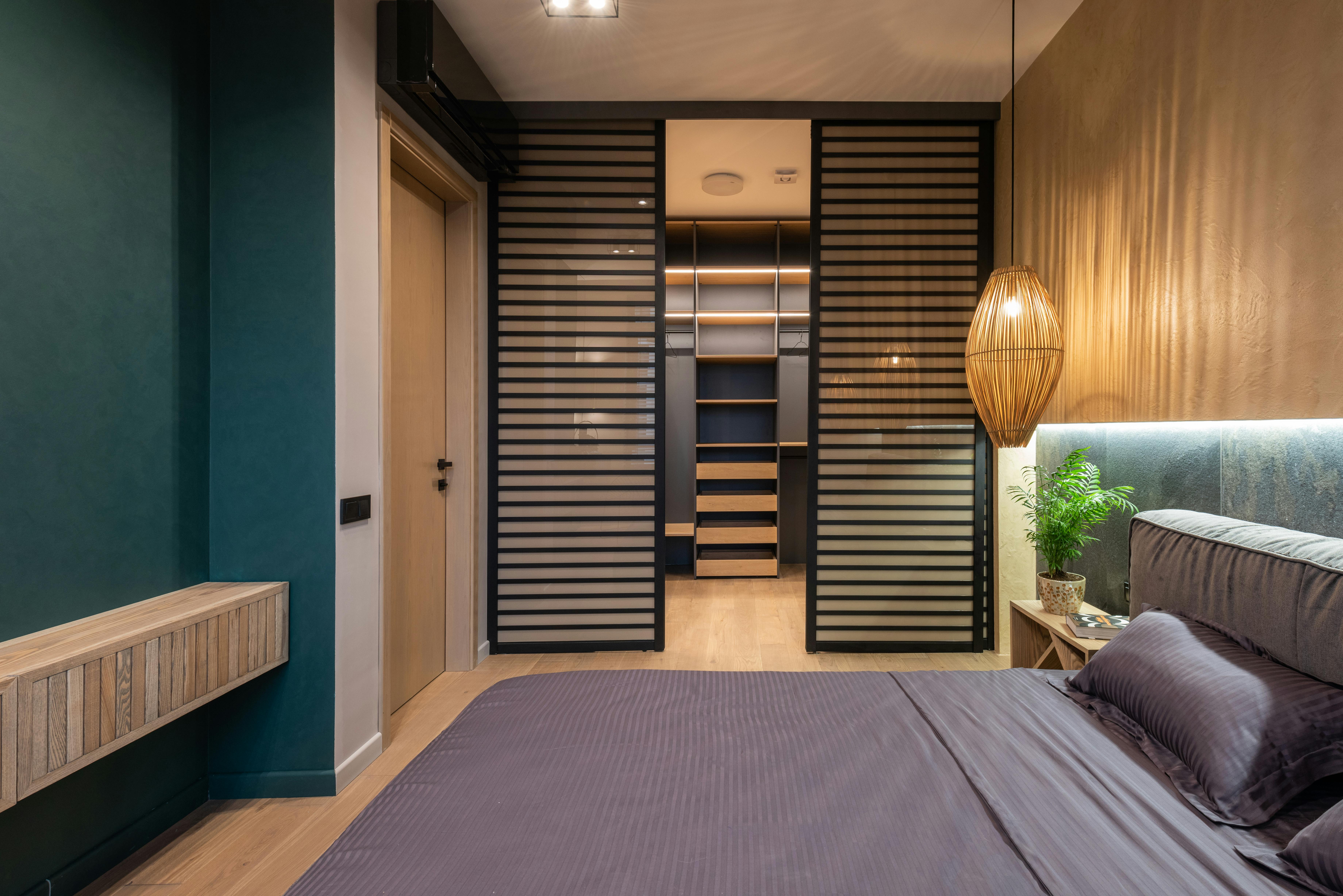
5. Barn Doors on Bedrooms and Bathrooms Look Trendy and Fail at Privacy
Barn doors are one of the best examples of social media design brain rot.
They photograph well. They slide in a satisfying way. They have a rustic-modern feel that got unbelievably popular for a few years. And on a pantry or laundry room, fine. I can tolerate the argument.
But on a bathroom? A bedroom? Absolutely not.
A barn door does not seal like a real door. It does not block sound like a real door. It does not provide privacy like a real door. It is basically a decorative panel that glides dramatically while failing at the actual job a door is supposed to do.
That’s not a minor flaw. That’s the whole job.
Even with add-ons like weather stripping, soft-close hardware, or upgraded locks, it still doesn’t function like a normal hinged door. So now you’ve paid extra money for a trendy feature that is worse at privacy and already drifting out of style.
That is a brutal combo.
And buyers notice. A lot of people may smile politely when they see a barn door in a listing photo. But the second they imagine using that bathroom with guests in the house, the novelty starts to wear off very quickly.
Good design is not just what looks clever in a still image. Good design is what works in real life.
4. Hardwired Security Systems Age Faster Than Modern Wireless Options
There was a time when a hardwired home security system felt like the gold standard.
Professional installation. Sensors everywhere. Motion detectors. Centralized control. Monitoring through physical infrastructure. Expensive equipment. Big commitment. Serious homeowner energy.
The problem is, technology moved on.
Modern wireless systems are easier to update, easier to manage, easier to control from your phone, and in many cases, more flexible and more user-friendly than older hardwired setups. They can push firmware updates, improve features over time, and adapt in ways older systems often can’t.
Meanwhile, some older hardwired systems begin to feel like relics.
Complicated panels. Outdated interfaces. Limited flexibility. Service tied to older infrastructure. More hassle when something fails. More cost when something needs changing.
And from a resale perspective, the issue is simple: buyers are not usually willing to pay extra for an expensive old system that feels less intuitive than the newer alternatives they already know.
This is one of those features that once signaled sophistication but can now quietly make a home feel technologically stuck.
That’s the danger of “advanced” systems that age badly. They don’t just stop impressing people. They actively date the house.

3. The Wrong LED Color Temperature Makes a House Feel Clinical and Unlivable
This one is easy to overlook because it feels small.
It isn’t.
Wrong lighting color temperature can make a house feel cold, harsh, sterile, and weirdly uncomfortable even when everything else is technically fine. A whole house full of 5000K “daylight” bulbs may sound bright and modern in theory, but in practice it often makes living spaces feel like exam rooms.
That is not the vibe most buyers want.
People want warmth in the places where they relax. Living rooms, bedrooms, dining spaces, and most common areas should feel inviting, not fluorescent and vaguely threatening. When the light is too cool and too harsh, skin tones look bad, paint colors shift, finishes feel off, and the entire house becomes less emotionally appealing.
And emotional appeal matters tremendously in a sale.
Buyers don’t just evaluate square footage and features. They respond to atmosphere. They respond to comfort. They respond to whether a home feels easy to settle into. Harsh lighting quietly undermines that.
Thankfully, this one is an easy fix. Warm to neutral bulbs in the right range can instantly soften the space and make the whole house feel better.
This is exactly the kind of simple, low-cost adjustment that improves showings far more than some expensive gadget ever will.
2. Built-In USB-A Outlets Became Obsolete Almost Overnight
This is one of my favorite examples of a feature aging badly at warp speed.
Built-in USB-A outlets seemed brilliant for about six minutes.
No more adapters. Easy charging. Convenient placement near the bed, in the kitchen, or by the desk. It felt modern and practical and future-minded. Except the future showed up faster than expected, and now USB-C has taken over a huge chunk of modern devices.
So those “fancy” charging outlets quickly started feeling dated.
That’s the problem with hardwiring a current tech trend into the walls. The hardware may be new, but the standard can age out before the paint around it is even dry. And once that happens, the feature shifts from convenient to oddly specific and slightly embarrassing.
Buyers pick up on that faster than homeowners think. Just like old phone jacks and dated media panels make a house feel a little stuck in time, built-in USB-A outlets can send the same signal.
A safer long-term play is usually to keep standard outlets plentiful and let the charging accessories evolve outside the wall. Simpler. Cheaper. More flexible. Less likely to age badly.
That matters when resale is part of the equation.

1. Dedicated Home Theaters Are Often the Most Expensive Room Nobody Uses
And now we arrive at number one.
The dedicated home theater.
This is the room that gets planned with great drama and huge expectations. Tiered seating. Acoustic panels. A projector that costs a fortune. Specialized carpet. Controlled lighting. Sound equipment. Wall treatments. A whole cinematic fantasy installed in your house.
And then two years later, nobody uses it.
Why? Because the living room now has an enormous TV that looks fantastic, streaming is instant, and the theater room requires effort. You have to turn systems on. Sync components. Hope the audio receiver still feels cooperative. Make the room worth the trouble. And in a lot of homes, it just never becomes the family gathering place people imagined.
Instead, it becomes the most expensive storage room in the house.
This is such an important resale lesson because the problem isn’t just cost. It’s specialization.
The more specialized a room becomes, the smaller the buyer pool that sees it as a benefit. A highly customized theater room is not universally appealing. Many buyers would rather have a flexible bonus room, office, playroom, gym, guest room, or second living space than a highly committed shrine to a version of movie night that barely happens anymore.
And when buyers mentally start calculating the cost of undoing your big idea, your “premium feature” becomes a resale drag.
That is the opposite of what you want.
What Buyers Actually Care About
Here’s the lesson running through all ten of these features:
Buyers care more about useful than impressive.
They care more about simple than clever.
They care more about function than trends.
A faucet that works every time is more valuable than a “smart” faucet that becomes a science project. A normal door that seals is more valuable than a trendy barn door that announces your private business to the hallway. Standard storage that hides clutter is more valuable than shelves that demand magazine styling. A flexible room is more valuable than a highly specialized one that only works for one very specific lifestyle.
This is where sellers and remodelers get themselves into trouble. They chase things that photograph well or sound luxurious without asking the most important question:
Will this make daily life easier for the next owner, or just more expensive and annoying?
That is the question that protects resale value.
Because technology changes. Trends fade. Materials age. Design fads come and go. But practical comfort has a very long shelf life.
A home that feels easy to live in, easy to maintain, easy to understand, and easy to adapt will always appeal to more buyers than a home full of expensive experiments.
And if you’re selling soon, that matters even more.
This is exactly why a marketing plan and prep strategy should focus on reducing friction, not adding flash. If you’re making changes purely to help the house sell faster and for more money, your goal is not to impress a showroom. Your goal is to remove objections for real buyers.
That means emphasizing the fundamentals:
Good storage
Good lighting
Privacy where it matters
Simplicity
Easy maintenance
Flexible spaces
Reliable fixtures
Choices that won’t feel outdated in five minutes
That’s what buyers reward.
The Smarter Renovation Mindset for Resale
If you already have one of these features, don’t panic. This is not a condemnation of your entire house. Plenty of homes sell with trendy mistakes in them. Buyers compromise all the time. The point is not that one barn door or one fancy tub ruins your resale chances.
The point is that if you are choosing where to spend money before selling, these are probably not the places to do it.
The smartest updates for resale are often the least glamorous ones. Fresh neutral paint. Clean lighting. Working hardware. Functional storage. Simple finishes. Clean lines. Rooms that make sense. Systems that feel dependable. Choices that give buyers confidence instead of forcing them to think through maintenance, repairs, replacements, workarounds, or eventual demolition.
That’s the game.
And if you can avoid pouring money into flashy features that age fast and function poorly, you free up your budget for the kind of improvements that buyers actually reward.
That is how you get better results without making expensive mistakes.
Because in the end, buyers are not paying extra for your renovation story. They’re paying for how the house feels to live in.
If it feels simple, useful, clean, current, and low-drama, you are already ahead of a huge chunk of the market.
And if your goal is not just to avoid horrible features but actually make smarter decisions that help the house sell faster and for more money, the next step is to get the basics right before you start chasing anything flashy.
That’s why I always tell sellers the same thing: make the home easier to say yes to.
Get The FSBO Seller Plan here:https://foolprooffsbo.com/fsbo-survival-guide


