
The Truth About Inspection Price Drops: Don't Be Their Victim

If you've ever sold a home and had a buyer use an inspection report to hammer you down on price after you were already under contract, you're not alone.
In fact, it happens every single day.
A buyer gets their inspection. The report comes back thick enough to stop a door. Suddenly, you're staring at a repair request that looks more like a ransom note than a negotiation.
The buyer wants credits.
The buyer wants repairs.
The buyer wants a lower price.
And because your home is already under contract, many sellers feel trapped.
The fear is understandable.
Once a house falls out of contract and goes back on the market, buyers immediately start asking questions.
Why did the first buyer walk away?
What did the inspection find?
What is wrong with the house?
Even if the answer is "nothing major," the damage is often done. The home now carries a stigma it didn't have before.
Buyer agents know this.
And some are very good at using that fear to their advantage.
I've seen sellers hand over thousands of dollars in unnecessary credits simply because they were afraid of losing the deal.
I've seen perfectly normal maintenance items turned into catastrophic-sounding repair requests.
I've seen buyers ask for five times the actual cost of a repair because they assumed the seller was desperate enough to say yes.
But here's the good news.
There is a simple strategy that dramatically reduces your chances of becoming a victim of inspection negotiations.
I call it the Truth Binder.
And once you understand how it works, you'll never look at inspections the same way again.
The Move Most Sellers Skip
Most sellers wait for the buyer's inspection to tell them what's wrong with their home.
That's a mistake.
The smartest sellers find out first.
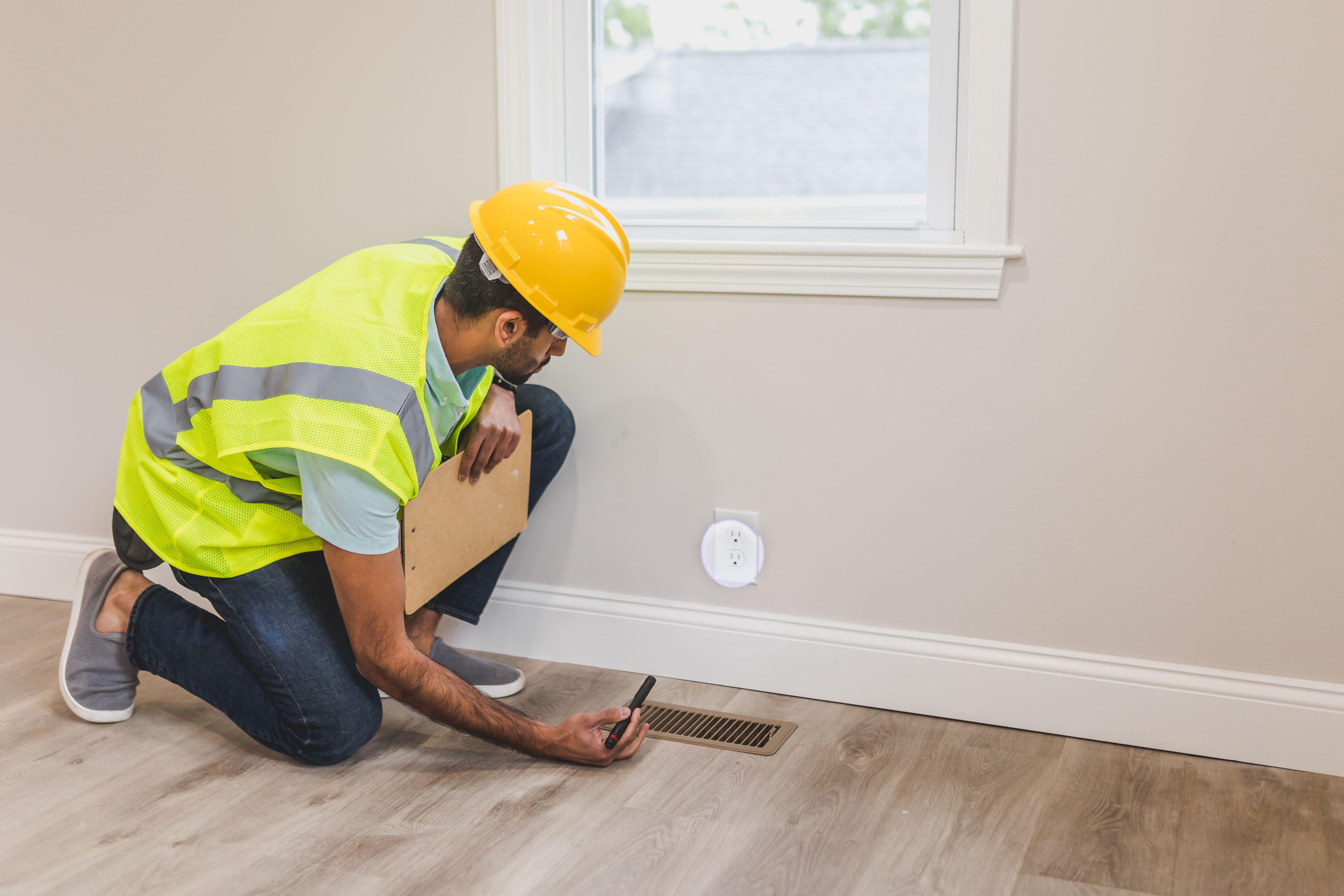
The process starts with a pre-listing inspection.
Before your home ever hits the market, hire a qualified home inspector and have the property inspected exactly the same way a buyer would.
At first glance, this seems backwards.
After all, the buyer is probably going to get an inspection anyway.
So why pay for one yourself?
Because knowledge is leverage.
The buyer's inspection should never be the first time anyone discovers what's going on inside your home.
A pre-listing inspection allows you to uncover issues on your terms instead of theirs.
You get time to think.
You get time to plan.
You get time to decide what actually matters.
Instead of being forced into emotional decisions during negotiations, you're making logical decisions before negotiations even begin.
That's a huge advantage.
If you don't already have an inspector you trust, look for one through professional organizations such as ASHI or InterNACHI.
When calling inspectors, ask four simple questions:
How long will the inspection take?
Will you provide a detailed report with photos?
Can I attend the inspection?
What does a reinspection cost after repairs are completed?
That last question becomes important later.
Ideally, schedule the inspection three to four weeks before listing.
This gives you enough time to address issues while keeping the report recent enough to remain relevant for buyers.
Three Decisions That Decide Everything
Once the inspection report arrives, resist the urge to panic.
No home is perfect.
Not even new construction.
The goal isn't perfection.
The goal is preparation.
The easiest way to manage inspection findings is by dividing them into three categories.
Bucket One: Safety and Code Issues
These are the items that deserve immediate attention.
Examples include:
Active roof leaks
Electrical hazards
Unsafe stairways
Plumbing leaks
Structural concerns
Exposed wiring
Missing safety devices
If it presents a safety concern or creates lender issues, fix it.
Hire licensed professionals whenever appropriate.
Save every receipt.
Take before-and-after photos.
Document everything.
These repairs not only protect your home value, they also eliminate some of the biggest obstacles to getting a deal closed.
Bucket Two: Aging But Functional Systems
This category includes items that still work but are approaching the end of their useful life.
Examples include:
Older HVAC systems
Aging water heaters
Older roofs
Worn flooring
Aging appliances
These aren't necessarily broken.
They're simply old.
Many sellers make the mistake of replacing everything.
That's usually unnecessary.
Instead, gather information.
Get two or three contractor estimates.
Determine what replacement would actually cost.
The goal isn't always to perform the repair.
The goal is to establish reality.
That reality becomes incredibly valuable later when buyers start making repair requests.
Bucket Three: Handyman Items
This category contains the small stuff.
The loose doorknob.
The cracked outlet cover.
The missing caulk.
The sticky drawer.
The chipped paint.
The squeaky hinge.
These items may seem insignificant individually.
Collectively, however, they're incredibly powerful.
Because buyers don't see dozens of little problems.
They see evidence of neglect.
When enough minor issues accumulate, buyers begin to assume bigger problems exist behind the walls.
That assumption becomes expensive.
A buyer who feels uncertain starts mentally discounting your property before negotiations even begin.
That's why this bucket often delivers the highest return on investment.
A weekend of small repairs can prevent thousands of dollars in future concessions.
Why Small Problems Cost Big Money
Homebuyers don't purchase homes based entirely on facts.
They purchase homes based on perception.
And perception often becomes reality.
Imagine walking through two nearly identical homes.
The first home has loose cabinet hardware, chipped paint, dirty HVAC vents, missing caulk, and sticking doors.
The second home has none of those issues.
Both homes may have identical roofs.
Identical plumbing.
Identical electrical systems.
Identical foundations.
But which home feels better maintained?
Which home feels safer?
Which home inspires more confidence?
The answer is obvious.
The buyer doesn't know what's behind the walls.
So they use visible clues to estimate what might be hidden.
This is why cosmetic maintenance matters far more than many sellers realize.
When buyers see evidence of care, they assume major systems have also been maintained.
When buyers see neglect, they assume bigger problems exist.
That assumption alone can reduce offers dramatically.
The Reinspection That Changes Everything
Remember that fourth question we asked the inspector?
The reinspection?
This is where it becomes important.
After addressing the appropriate issues, bring the inspector back.
Have them verify the repairs.
Have them update the report.
The goal isn't to achieve a perfect inspection.
The goal is to create a cleaner inspection.
A documented inspection showing that known issues were repaired by licensed professionals carries tremendous credibility.
It demonstrates responsibility.
It demonstrates transparency.
Most importantly, it demonstrates preparation.
And preparation creates leverage.
Because now you're ready to build the most powerful tool in this entire process.
The Truth Binder.
MID-ARTICLE CONTENT UPGRADE CTA
Want My FSBO Negotiation Scripts That Earn an Extra 10%?
Get the FSBO Negotiation Power Pack — the exact scripts sellers use when agents or buyers try to crack their confidence.
Learn what to say, when to stay silent, and how to control the deal.
Download here: https://foolprooffsbo.com/checklist
The Truth Binder
The Truth Binder is exactly what it sounds like.
A simple binder containing the facts about your home.
Nothing fancy.
Nothing complicated.
Just organized documentation.
Inside the binder should be:
Tab One: Updated Inspection Report
This contains the original findings and any updated reports following repairs.
Tab Two: Repair Documentation
Include receipts, contractor invoices, warranties, and photographs.
Show exactly what was repaired and when.
Tab Three: Contractor Quotes
Include estimates for aging systems that were disclosed but not replaced.
This becomes extremely valuable during negotiations.
Tab Four: Improvement Records
Include records for roof replacements, HVAC installations, remodeling projects, plumbing upgrades, electrical work, and major improvements.
Tab Five: Manuals and Warranties
Optional but extremely helpful.
Buyers love knowing they'll inherit documentation rather than spending hours searching online later.
Create both a physical version and a digital PDF version.
Leave the binder available during showings.
Let buyers review it.
Encourage transparency.
Because transparency changes everything.
Why Buyer's Agents Hate the Truth Binder
Here's what makes the Truth Binder so powerful.
It changes the entire psychology of the transaction.
Think about the average home sale.
A buyer walks into a house expecting to find hidden problems.
They assume the seller is trying to make the home look better than it actually is.
They expect the inspection report to reveal the truth.
In other words, they approach the entire transaction from a position of suspicion.
That's understandable.
Most people buy only a handful of homes during their lifetime. It's a major financial decision, and they want to protect themselves.
The problem is that suspicion often creates opportunity for exaggerated negotiations.
A buyer's agent can point to almost anything in an inspection report and frame it as a major concern.
An aging water heater becomes a looming disaster.
A minor plumbing repair becomes evidence of widespread maintenance issues.
A loose outlet becomes an electrical system concern.
But when buyers walk into your home and immediately see a binder full of documentation, something changes.
They no longer feel like they're uncovering secrets.
They feel like they're reviewing information.
Instead of thinking, "What is this seller hiding?"
They begin thinking, "This seller has already addressed most of my concerns."
That shift is incredibly valuable.
Trust changes negotiations.
Trust changes buyer behavior.
Trust changes how inspection reports are interpreted.
And trust often protects thousands of dollars of your equity.

The Trap Hiding Behind the Inspector Referral
Let's talk about one of the most misunderstood parts of the inspection process.
Inspector referrals.
To be clear, most inspectors are ethical professionals.
Most agents are ethical professionals.
But incentives matter.
And smart sellers understand incentives.
Many buyer agents have inspectors they use repeatedly.
Again, that doesn't automatically mean anything inappropriate is happening.
Good agents often refer inspectors they trust.
The issue is that buyers rarely understand how these relationships influence the overall transaction.
An inspector who consistently delivers extremely thorough reports can become very popular among buyer agents.
Why?
Because thick reports create negotiating opportunities.
The more items that appear in a report, the more opportunities exist to ask for credits, repairs, or concessions.
The buyer feels protected.
The agent looks like a hero.
The inspector gets future referrals.
Everyone wins.
Except the seller.
Now, does this mean the inspector is inventing problems?
Not necessarily.
But many inspection reports contain dozens of minor maintenance items that sound much scarier on paper than they are in reality.
And once those items appear in a formal report, they often become negotiation tools.
That's why the Truth Binder works so well.
If the buyer's inspector discovers an aging HVAC system that you've already disclosed, documented, and priced into the home, the leverage disappears.
If they identify repairs you've already completed and verified, the leverage disappears.
If they find an issue you've already provided contractor estimates for, the leverage disappears.
The inspection no longer creates surprises.
And surprises are where most negotiation leverage comes from.
Why You Shouldn't Automatically Leave During Inspections
This next topic generates a lot of debate.
Many sellers are told they should leave the property during the buyer's inspection.
Sometimes that's good advice.
If you're the type of person who likes to follow the inspector around and explain everything, leaving may actually be the best option.
But there are situations where remaining nearby can provide valuable information.
Notice I said nearby.
Not hovering.
Not interrupting.
Not arguing.
Just nearby.
Because inspections are often where the buyer begins forming their negotiation strategy.
Questions get asked.
Concerns get raised.
Opinions get shared.
And while you should never interfere with the process, simply being present can help you understand what issues are receiving the most attention.
Sometimes the items buyers focus on have very little to do with what eventually appears in the repair request.
Other times the repair request seems to come directly from conversations that occurred during the inspection itself.
Being aware of the process helps you prepare.
Knowledge reduces fear.
And fear is what causes many sellers to make poor negotiation decisions.

When a $200 Repair Becomes an $800 Credit Request
This is probably the most common inspection negotiation tactic sellers encounter.
A buyer identifies a legitimate issue.
The issue actually costs $200 to repair.
The buyer requests an $800 credit.
Why does this happen?
Because credits are easier.
Most sellers would rather write a check at closing than coordinate contractors, schedule repairs, and risk delays.
Buyers know this.
Agents know this.
And some people take advantage of it.
The logic is simple.
Ask for more than necessary.
See what sticks.
Maybe the seller agrees.
Maybe the seller negotiates.
Either way, the buyer often ends up with more than the repair actually costs.
Without documentation, many sellers have no way to challenge the request.
They're forced to rely on guesswork.
That's exactly why contractor estimates belong in your Truth Binder.
Let's say the buyer requests a $3,000 credit for an HVAC issue.
You pull out three licensed contractor estimates.
The highest estimate is $950.
The lowest is $700.
Suddenly the conversation changes.
The buyer can no longer justify the inflated request.
The numbers are sitting on the table.
Reality replaces emotion.
And reality is usually much cheaper.
How to Respond to Repair Requests
One of the biggest mistakes sellers make is reacting emotionally.
The inspection report arrives.
The repair request arrives.
The seller gets angry.
And then negotiations deteriorate.
Don't do that.
Instead, treat repair requests exactly like any other business negotiation.
Review every item.
Separate legitimate concerns from cosmetic preferences.
Compare requests against your documentation.
Determine what was already disclosed.
Determine what was already reflected in the asking price.
Then respond calmly.
Sometimes the answer is yes.
Sometimes the answer is no.
Sometimes the answer is a compromise.
The important thing is that your response should be based on facts rather than fear.
A buyer asking for a concession doesn't mean they're right.
A buyer threatening to walk doesn't mean they will.
And an inspection report doesn't automatically justify every repair request.
Remember:
The purpose of an inspection is to identify condition issues.
The purpose of a negotiation is to determine how those issues affect value.
Those are two different conversations.
The Real Secret Behind Successful Inspection Negotiations
The biggest advantage in any negotiation belongs to the person who is least surprised.
That's really what this entire strategy is about.
Reducing surprises.
When you conduct a pre-listing inspection, you reduce surprises.
When you fix obvious issues, you reduce surprises.
When you gather contractor estimates, you reduce surprises.
When you organize documentation, you reduce surprises.
When you disclose honestly, you reduce surprises.
And when buyers encounter fewer surprises, they become less aggressive negotiators.
Because uncertainty is what fuels large repair requests.
Uncertainty is what fuels fear.
Uncertainty is what creates leverage.
The Truth Binder removes uncertainty.
Not completely.
No home sale is perfect.
No inspection report is perfect.
No negotiation is perfect.
But it dramatically shifts the balance of power.
Instead of defending your home after the inspection, you're explaining a story you've already documented before the inspection ever occurred.
That's a completely different position to negotiate from.
The Inspection Mindset Every Seller Needs
At the end of the day, inspections aren't the enemy.
The real enemy is being unprepared.
Most sellers fear inspections because they don't know what's coming.
They don't know what will be discovered.
They don't know how buyers will react.
They don't know how much the repair requests will cost.
Preparation solves all of those problems.
The seller who enters negotiations with documentation, estimates, receipts, photos, and inspection reports isn't negotiating from fear.
They're negotiating from confidence.
And confidence protects equity.
That's why the Truth Binder works.
Not because it magically prevents buyers from asking for concessions.
Not because it guarantees a full-price closing.
But because it allows you to respond with facts instead of emotions.
And facts are much harder to argue with.

Final Thoughts
The inspection period is one of the most dangerous phases of any home sale.
It's where buyers attempt to renegotiate.
It's where sellers panic.
And it's where thousands of dollars often change hands unnecessarily.
Fortunately, most of that risk can be reduced before your home ever hits the market.
Get the inspection.
Fix the important issues.
Address the visible maintenance items.
Gather estimates.
Document repairs.
Build the Truth Binder.
Then let transparency do the heavy lifting.
Because when buyers see a seller who has already done the work, already gathered the facts, and already acknowledged the home's imperfections, they lose one of their most effective negotiation tools:
Fear.
And once fear disappears, the conversation becomes what it should have been from the beginning.
A discussion based on facts, numbers, and reality.
Not tactics.
Not pressure.
Not inflated repair requests.
Just the truth.
Insert the YouTube video immediately after the paragraph above that ends with:
"Just the truth."
This placement creates a natural transition into Tim's next video about repairs that are worth making versus repairs that waste money before listing.
Next Step
If you're still wondering which repairs actually make sense before putting your home on the market, that's exactly what we cover in the next video.
Because some repairs increase buyer confidence and protect your sale price.
Others simply drain your wallet and never generate a return.
Understanding the difference can save you thousands before your home even receives its first showing.


